
What is CeFi?
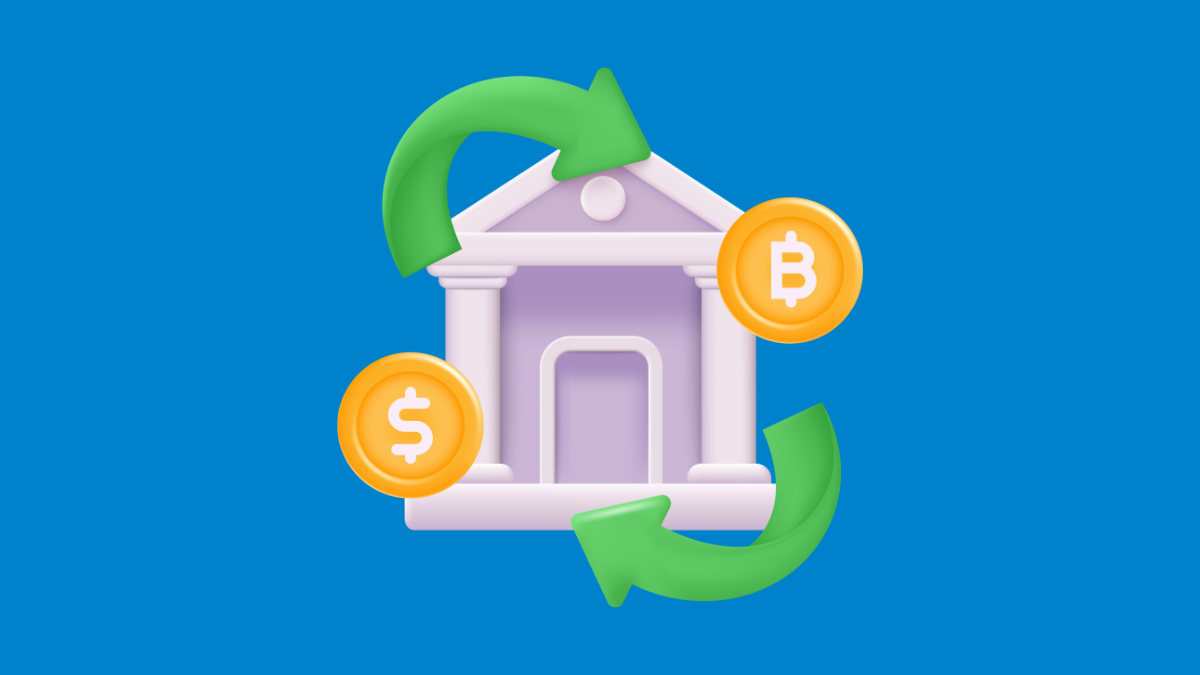
CeFi, short for Centralized Finance, refers to crypto services that operate under a traditional company structure, where a central organization manages user accounts, safeguards funds, and provides financial products. While the underlying assets may be cryptocurrencies, the experience often feels closer to online banking than to decentralized What is Decentralization?Home January 8, 2026 Blockchain, Crypto Decentralization Decentralization is distributing control and decision-making across a network instead of relying on...Keep learning blockchain
 What is a Blockchain?Think of blockchain as a public notebook that everyone owns a copy of. Whatever gets written in it is permanent and visible to all.Keep learning tools.
A simple analogy is to think of CeFi as a crypto bank. You deposit your funds into a platform, trust the company to protect them, and use their services in exchange for convenience. This is very different from holding crypto in a self-custodial wallet What are Crypto Wallets?A crypto wallet doesn’t store coins like a piggy bank. Instead, it keeps keys that let you access your crypto on the blockchain.Keep learning where only you control the keys. With CeFi, the company holds the keys on your behalf.
CeFi platforms typically offer services such as buying and selling crypto through fiat on-ramps, earning interest on deposits, borrowing against your crypto, or using debit and credit cards connected to your account. Many users start their crypto journey through CeFi because it is familiar: there are customer support teams, easy-to-use interfaces, and standard login methods like email and password.
However, this convenience comes with trade-offs. Centralized platforms require customers to complete identity verification (KYC), follow regulatory requirements, and trust the organization to secure both their funds and personal information. Unlike decentralized blockchains, where operations are transparent and governed by code, CeFi is governed by people, internal policies, and external regulations.
CeFi’s biggest strength is usability. Someone new to crypto can open an account, connect a bank card, and buy digital assets within minutes. Transfers between users on the same platform can be instant and often free. CeFi also handles liquidity; ensuring buyers and sellers can always find a match; something decentralized systems may struggle with during busy periods.
But the centralized nature of these platforms introduces risks. A failure or mismanagement at the company level can affect all users. History has shown this clearly: events like the collapse of Celsius, Voyager, or FTX demonstrated that when a centralized platform misuses customer funds or takes excessive risks, users can lose access to their crypto. These incidents highlight a fundamental crypto principle: Not your keys, not your coins.
Even so, CeFi continues to play an important role in the crypto ecosystem. It bridges the gap between traditional finance and the blockchain world. Regulated platforms like Coinbase, Kraken, or Bitstamp show that centralized services can operate responsibly by keeping reserves transparent, following strict compliance rules, and segregating customer funds.
Many people use a combination of CeFi and decentralized methods. They may buy crypto on a centralized exchange and then withdraw it to a personal wallet. Others prefer to leave funds on CeFi platforms for convenience or to use financial services that may not exist in decentralized form.
In essence, CeFi offers an easier, more familiar way to interact with crypto while sacrificing some of the principles that make blockchain unique; like self-sovereignty and permissionless access. It appeals to users who value simplicity and regulated environments, but it requires trust in a central authority. Understanding these trade-offs helps users decide whether CeFi, DeFi What is DeFi?DeFi stands for Decentralized Finance. It refers to a collection of applications and platforms built on blockchain that allow people to transact without banks.Keep learning, or a mix of both aligns best with their goals and comfort levels.
The tags found in our glossary are there to help you better understand presented definitions. They showcase how certain concepts integrate and interact within the ecosystem.
Rectangular tags signal a concept related to BlockchainWhat is a Blockchain?Think of blockchain as a public notebook that everyone owns a copy of. Whatever gets written in it is permanent and visible to all.Keep learning as a technology. Whereas rounded tags represent Cryptocurrency What is Cryptocurrency?Cryptocurrency, often called “crypto,” is a form of digital currency that uses cryptography (advanced math and code) to keep it secure.Keep learning in more of a financial aspect. You’ll also see rectangular dashed tags for Web3
 What is Web3?Web3 is the idea of a decentralized internet powered by blockchain.Keep learning and rounded dashed tags for DeFiWhat is DeFi?DeFi stands for Decentralized Finance. It refers to a collection of applications and platforms built on blockchain that allow people to transact without banks.Keep learning specifically.
Learn more about the relationship between all the tags and their respective concept with our Interactive Mind Map.
What is Bitcoin?
Home January 8, 2026 Bitcoin, Blockchain, Crypto, Whitepaper Bitcoin Bitcoin is a decentralized digital currency that allows peer-to-peer payments without intermediaries, secured by blockchain...
Keep learning
What is Cryptocurrency?
Cryptocurrency, often called “crypto,” is a form of digital currency that uses cryptography (advanced math and code) to keep it secure.
Keep learning
What is Proof of Work?
Home January 8, 2026 Bitcoin, Blockchain, Crypto, Mining Proof of Work Proof of Work is a consensus method where miners solve complex puzzles to...
Keep learning
What are Crypto Wallets?
A crypto wallet doesn’t store coins like a piggy bank. Instead, it keeps keys that let you access your crypto on the blockchain.
Keep learning