
What are Privacy Coins?
Privacy coins are cryptocurrencies designed to hide key parts of a transaction; such as the sender, the receiver, or the amount being transferred. While most people assume that Bitcoin or Ethereum offer anonymity, they actually provide pseudonymity: your identity isn’t directly shown, but all transactions are publicly visible. With enough data, blockchain What is a Blockchain?Think of blockchain as a public notebook that everyone owns a copy of. Whatever gets written in it is permanent and visible to all.Keep learning analysis companies can often trace activity back to real individuals.
Privacy coins were created to solve this gap. Their goal is simple: let people use digital money without exposing their financial history to the world. Think of them as the equivalent of paying with cash instead of leaving a digital footprint through every swipe or transfer.
The logic behind privacy coins comes from a basic truth: financial information is deeply personal. Your purchases show your habits, your interests, your lifestyle, your location patterns, even your relationships. For many people, having this visible to strangers; or governments, corporations, and data miners; feels like an unnecessary risk. Privacy coins answer this need by making transaction details invisible or extremely difficult to track.
Different privacy coins take different approaches:
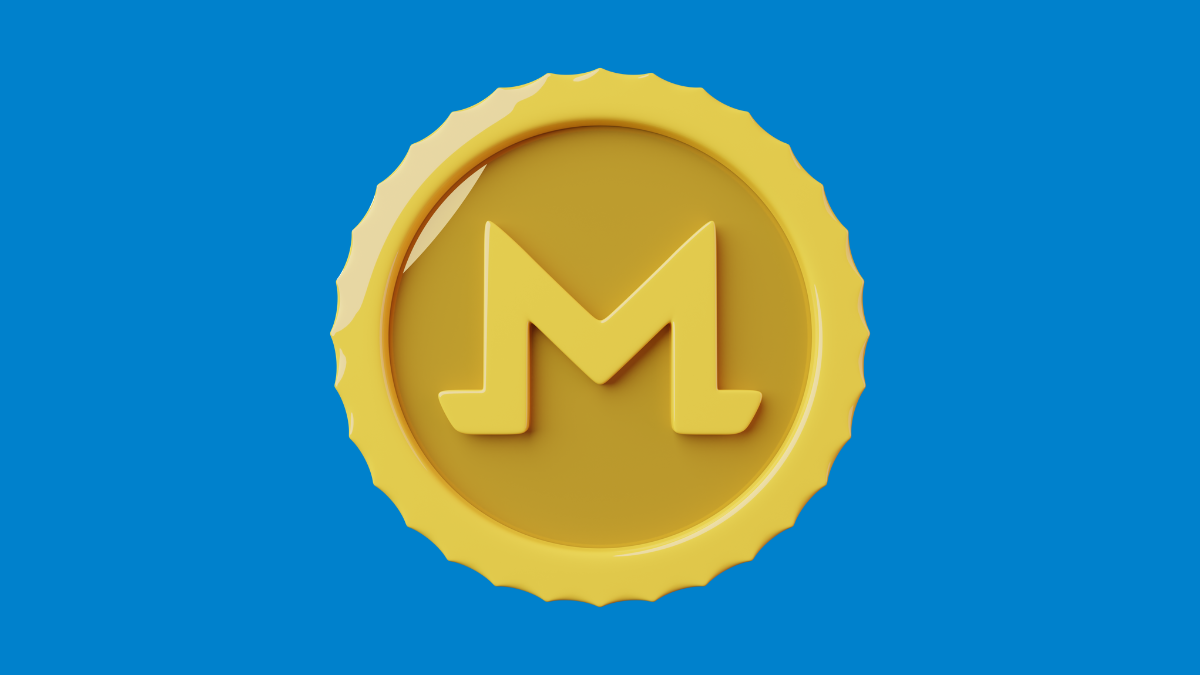
Monero (XMR) hides senders, receivers, and amounts using techniques like Ring Signatures and Stealth Addresses.
Zcash (ZEC) uses zero-knowledge proofs; special cryptography that lets someone prove a transaction is valid without revealing any details.
Dash initially offered optional mixing features through “PrivateSend,” which blended multiple users’ funds to obscure origins.
The underlying idea is always the same: privacy should be possible without sacrificing transaction validity.
Why does this matter? Because blockchains are transparent by design. If you pay someone in Bitcoin, they can often see your entire financial history with one click. If a wallet What are Crypto Wallets?A crypto wallet doesn’t store coins like a piggy bank. Instead, it keeps keys that let you access your crypto on the blockchain.Keep learning address gets linked to your identity, every payment, investment, or mistake becomes permanently trackable. Privacy coins flip that model by making transactions functionally opaque.
People use privacy coins for different reasons:
Protecting personal financial information
Avoiding targeted ads, profiling, or data harvesting
Preventing surveillance from governments or corporations
Shielding business supply chains or salary payments
Avoiding security risks like kidnapping or extortion tied to visible wealth
Of course, critics argue that privacy coins can enable illicit activity. This debate mirrors the one around physical cash, which has always been used for both legitimate and illegitimate purposes. Supporters insist that privacy isn’t inherently suspicious; it's a basic human right, essential for freedom, safety, and dignity.
Regulatory pressure has shaped the privacy coin landscape. Some centralized exchanges delisted Monero or Zcash due to compliance concerns. However, decentralized exchanges don’t have the same restrictions, and privacy-focused wallets and tools continue to evolve. In practice, privacy coins remain legal in many jurisdictions, though closely scrutinized.
Privacy coins also highlight a deeper philosophical question within crypto: Should financial privacy be optional, guaranteed, or nonexistent? Different blockchains answer differently, but the existence of privacy-focused solutions keeps the debate alive.
Whether they become mainstream or remain specialized tools, privacy coins represent an important branch of the crypto ecosystem. They remind us that transparency is powerful but so is the right to choose what we share and with whom.
The tags found in our glossary are there to help you better understand presented definitions. They showcase how certain concepts integrate and interact within the ecosystem.
Rectangular tags signal a concept related to BlockchainWhat is a Blockchain?Think of blockchain as a public notebook that everyone owns a copy of. Whatever gets written in it is permanent and visible to all.Keep learning as a technology. Whereas rounded tags represent Cryptocurrency What is Cryptocurrency?Cryptocurrency, often called “crypto,” is a form of digital currency that uses cryptography (advanced math and code) to keep it secure.Keep learning in more of a financial aspect. You’ll also see rectangular dashed tags for Web3
 What is Web3?Web3 is the idea of a decentralized internet powered by blockchain.Keep learning and rounded dashed tags for DeFi
 What is DeFi?DeFi stands for Decentralized Finance. It refers to a collection of applications and platforms built on blockchain that allow people to transact without banks.Keep learning specifically.
Learn more about the relationship between all the tags and their respective concept with our Interactive Mind Map.

What is Proof of Work?
Home January 8, 2026 Bitcoin, Blockchain, Crypto, Mining Proof of Work Proof of Work is a consensus method where miners solve complex puzzles to...
Keep learning
What is Cryptocurrency?
Cryptocurrency, often called “crypto,” is a form of digital currency that uses cryptography (advanced math and code) to keep it secure.
Keep learning
What are Transaction fees?
Home January 8, 2026 Bitcoin, Blockchain, Crypto, Mining Transaction Fees Transaction fees are costs paid to process and confirm transfers on a blockchain, rewarding...
Keep learning
What are Crypto Wallets?
A crypto wallet doesn’t store coins like a piggy bank. Instead, it keeps keys that let you access your crypto on the blockchain.
Keep learning