Understanding blockchain BlockchainThink of blockchain as a public notebook that everyone owns a copy of. Whatever gets written in it is permanent and visible to all.Keep learning networks: a beginner’s guide
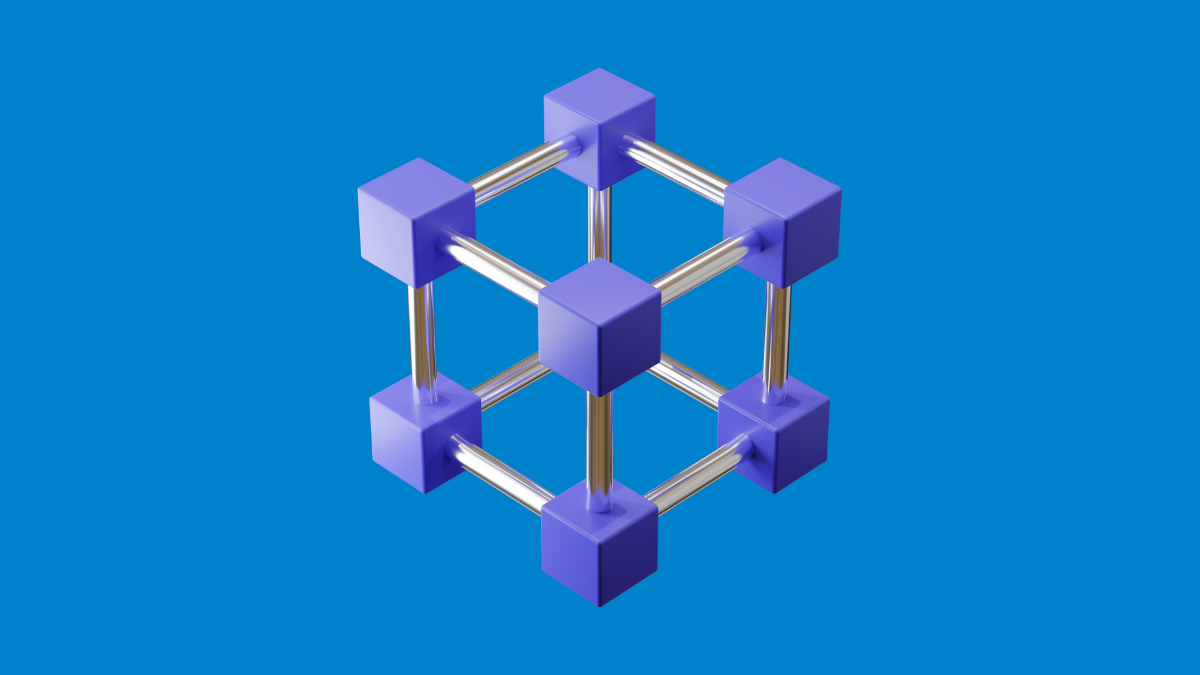
A blockchain network is a system of computers connected to each other that follow the same set of rules to record, share, and validate transactions. Each network has its own design, purpose, and community.
Key components of a network
- Nodes: Computers that store and verify the blockchain’s data.
- Consensus Mechanism: The rules for how nodes agree on which transactions are valid (like proof-of-work or proof-of-stake).
- Native Token: Many networks have their own cryptocurrency, such as BTC for Bitcoin or ETH for Ethereum.
- Smart Contracts and Apps: Some networks allow developers to build applications directly on top of them.
A simple analogy
Think of each blockchain network as a city. The city has citizens (nodes), local laws (consensus rules), a currency (the native token), and businesses (apps and smart contracts). Each city is independent, but sometimes they build bridges to connect with others.
Examples of blockchain networks
- Bitcoin: Focused on peer-to-peer digital money and security.
- Ethereum: Known for smart contracts and decentralized applicationsdAppsdApps are decentralized applications that run on blockchains, using smart contracts to operate without central control or single points of failure.Keep learning.
- Ethereum: Known for smart contracts and decentralized applications
- Binance Smart Chain: Designed for fast, low-cost transactions.
- Solana: Built for speed and scalability, popular in DeFiDeFiDeFi stands for Decentralized Finance. It refers to a collection of applications and platforms built on blockchain that allow people to transact without banks.Keep learning and NFTs.
- Solana: Built for speed and scalability, popular in DeFi
- Polkadot and Cosmos: Focused on connecting multiple blockchains together.
Why different networks exist
No single blockchain can do everything perfectly. Some prioritize security, others focus on speed, scalability, or decentralized applications. The variety of networks allows experimentation and specialization across the ecosystem.
Interoperability
As blockchain grows, many projects aim to connect networks so users can move assets and data seamlessly. This is like building highways and bridges between different cities to encourage trade and cooperation.
The tags found in our glossary are there to help you better understand presented definitions. They showcase how certain concepts integrate and interact within the ecosystem.
Rectangular tags signal a concept related to Blockchain BlockchainThink of blockchain as a public notebook that everyone owns a copy of. Whatever gets written in it is permanent and visible to all.Keep learning as a technology. Whereas rounded tags represent Cryptocurrency
 CryptocurrencyCryptocurrency, often called “crypto,” is a form of digital currency that uses cryptography (advanced math and code) to keep it secure.Keep learning in more of a financial aspect. You’ll also see rectangular dashed tags for Web3
 Web3Web3 is the idea of a decentralized internet powered by blockchain.Keep learning and rounded dashed tags for DeFi
 DeFiDeFi stands for Decentralized Finance. It refers to a collection of applications and platforms built on blockchain that allow people to transact without banks.Keep learning specifically.
Learn more about the relationship between all the tags and their respective concept with our Free Interactive Courses.
Transaction fees
Transaction fees are charges paid to process and validate transactions on a blockchain network.
Keep learning
Oracles
A crypto oracle is a service that feeds external real-world data into blockchains so smart contracts can react to off-chain events.
Keep learning
Real-World Assets (RWAs)
Real-World Assets (RWAs) are physical or traditional financial assets, like real estate or bonds, represented and traded on blockchain networks.
Keep learning
Blockchain
Think of blockchain as a public notebook that everyone owns a copy of. Whatever gets written in it is permanent and visible to all.
Keep learning