
What are Blockchain Forks?
A fork is a change in the rules of a blockchain What is a Blockchain?Think of blockchain as a public notebook that everyone owns a copy of. Whatever gets written in it is permanent and visible to all.Keep learning. Because blockchains are distributed systems; run by thousands of independent computers; everyone must follow the same protocol for the network to stay synchronized. When someone proposes new rules or upgrades, the network can either adopt them, reject them, or split into separate versions. That split is what we call a fork.
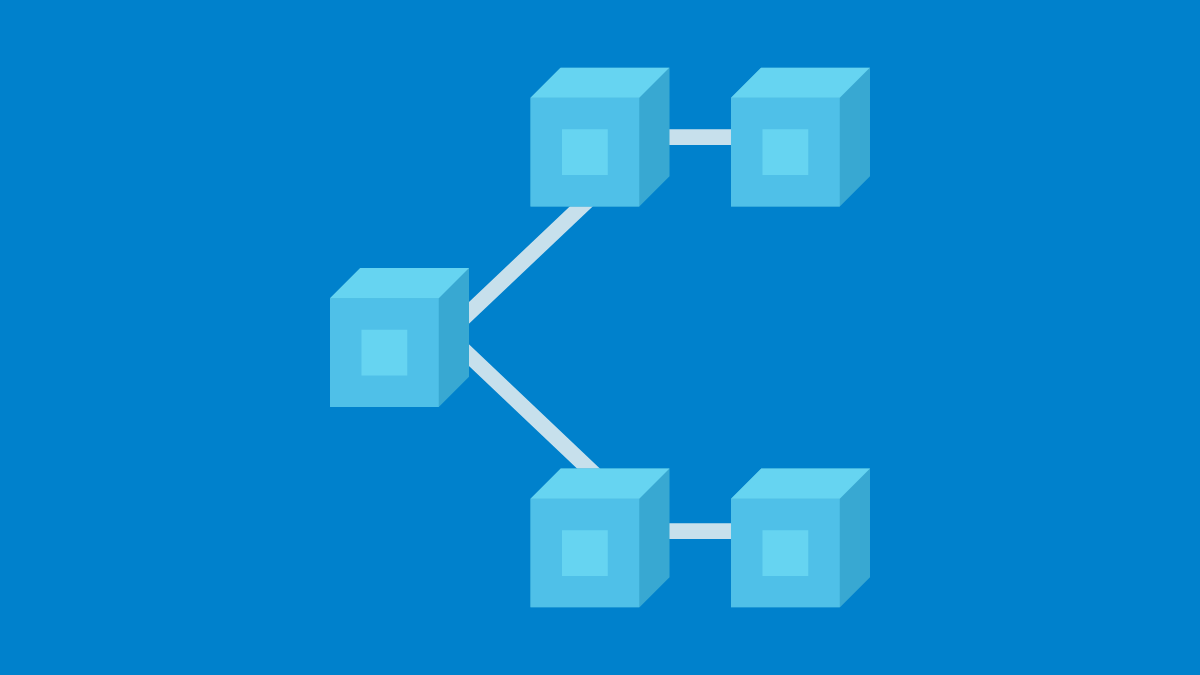
You can think of a fork like a road dividing into two paths. Up until the split, everyone follows the same route. Once the fork happens, users and miners (or validators) choose which path to continue down based on which rules they support.
Forks generally fall into two main categories:
1. Soft Forks
A soft fork introduces changes that are backward-compatible. This means updated nodes can follow the new rules, while older nodes can still recognize the updated blocks as valid. The network doesn’t need everyone to upgrade at once, and the chain usually stays unified.
Dream of it like tightening a rule instead of replacing it; such as lowering a speed limit. Those who know about the change will follow the new limit, but those who don’t are still technically “compatible” with the road system.
A famous example is Bitcoin’s SegWit update, which adjusted how data is stored in transactions without breaking compatibility.
2. Hard Forks
A hard fork creates rules that are not compatible with older versions. Nodes running the old rules will reject blocks produced under the new rules, leading to a permanent split if consensus isn’t unanimous.
In the road analogy, this is like building a barrier: cars on the old path cannot cross into the new one.
Hard forks can be intentional upgrades; such as Ethereum’s London or Shanghai upgrades; or accidental splits caused by disagreements.
Bitcoin Cash was created through a hard fork from Bitcoin when the community disagreed about block size limits and scaling strategies.
Forks usually occur for one of several reasons:
Upgrades: Adding new features or improving performance
Security fixes: Patching vulnerabilities
Scaling improvements: Changing limits to allow more transactions
Governance disagreements: When communities can’t agree on the future direction
Bug recovery: Rolling back mistakes, such as the Ethereum DAO hack in 2016, which led to the creation of Ethereum Classic
Some forks create new coins; others simply update the existing chain smoothly. Not every fork is contentious. In fact, many blockchains undergo routine soft forks or coordinated hard fork upgrades without drama.
A useful analogy is software updates on your phone. If an app update is backward-compatible, you and a friend with an older version can still communicate. That’s a soft fork. If the update makes the new version incompatible; your friend can’t read your messages anymore; that’s a hard fork.
Forks are crucial because they shape the evolution of blockchain networks, represent community decision-making, and occasionally produce entirely new ecosystems.
The tags found in our glossary are there to help you better understand presented definitions. They showcase how certain concepts integrate and interact within the ecosystem.
Rectangular tags signal a concept related to BlockchainWhat is a Blockchain?Think of blockchain as a public notebook that everyone owns a copy of. Whatever gets written in it is permanent and visible to all.Keep learning as a technology. Whereas rounded tags represent Cryptocurrency What is Cryptocurrency?Cryptocurrency, often called “crypto,” is a form of digital currency that uses cryptography (advanced math and code) to keep it secure.Keep learning in more of a financial aspect. You’ll also see rectangular dashed tags for Web3
 What is Web3?Web3 is the idea of a decentralized internet powered by blockchain.Keep learning and rounded dashed tags for DeFi
 What is DeFi?DeFi stands for Decentralized Finance. It refers to a collection of applications and platforms built on blockchain that allow people to transact without banks.Keep learning specifically.
Learn more about the relationship between all the tags and their respective concept with our Interactive Mind Map.
What is a Whitepaper?
Home January 8, 2026 Blockchain, Crypto, Investing, Whitepaper Whitepaper A whitepaper is a document that explains a crypto project’s purpose, technology, tokenomics, and roadmap...
Keep learning
What is a Blockchain?
Think of blockchain as a public notebook that everyone owns a copy of. Whatever gets written in it is permanent and visible to all.
Keep learning
What is Bitcoin halving?
Home January 8, 2026 Bitcoin, Blockchain, Crypto, Investing, Mining Bitcoin Halving Bitcoin halving is a scheduled event that cuts mining rewards in half, reducing...
Keep learning
What is Web3?
Web3 is the idea of a decentralized internet powered by blockchain.
Keep learning