
What is Minting?
Minting is the process of creating new digital assets on a blockchain BlockchainThink of blockchain as a public notebook that everyone owns a copy of. Whatever gets written in it is permanent and visible to all.Keep learning. It is the moment a token or NFT comes into existence; similar to how a government prints new bills or issues new coins, except in the blockchain world the process is governed by code rather than by a central authority. Whether it’s a fungible token, a non-fungible token, or even a reward issued by a blockchain protocol itself, minting defines the birth of the asset.
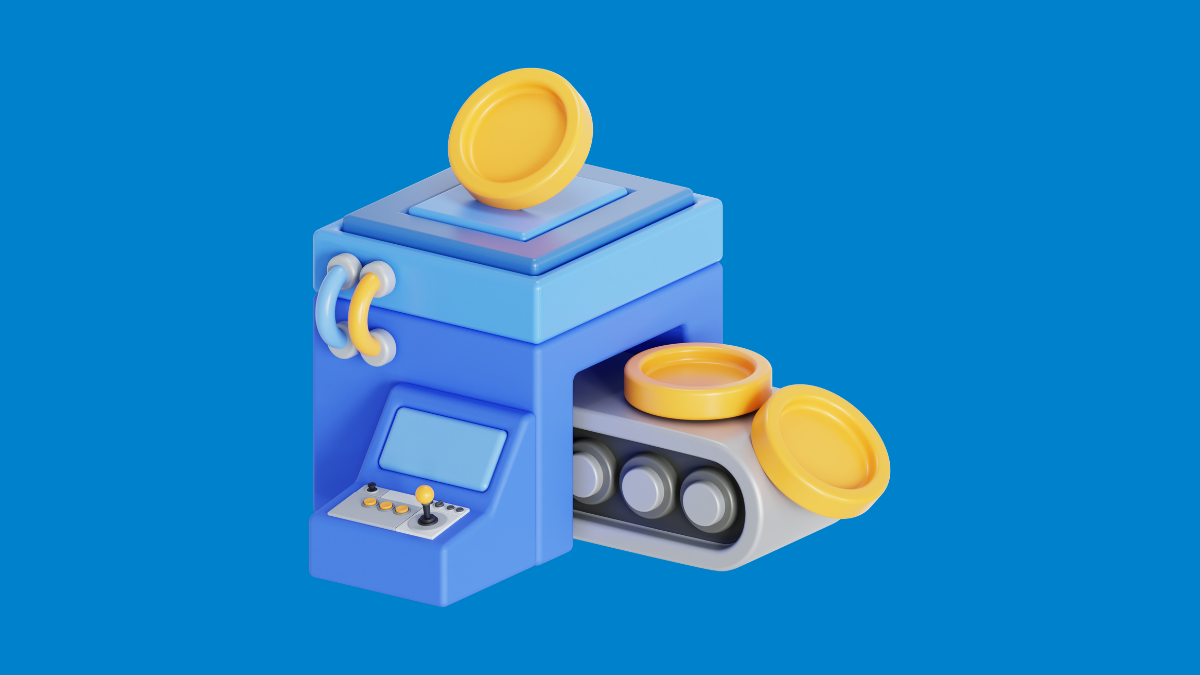
The simplest way to think about minting is to imagine a vending machine that produces collectibles. You insert a coin, press a button, and the machine dispenses a brand-new item that didn’t exist before. On a blockchain, the “machine” is a smart contract. The rules for when, how, and how many assets can be created are written directly into the contract. When specific conditions are met; such as sending a payment, interacting with a website, completing a task, or participating in a protocol; the contract mints the asset and assigns ownership OwnershipOwnership in crypto means control over assets via private keys, allowing users to hold, transfer, or manage funds without intermediaries.Keep learning to a user’s address.
There are two major contexts for minting:
1. Minting native coins
For cryptocurrencies like Bitcoin, minting happens at the protocol level. Miners or validators generate new coins as a reward for securing the network. The supply schedule; how many coins can be minted, and how often; is programmed into the blockchain itself. For example, Bitcoin miners mint new BTC as part of each block reward, with the amount reducing every four years during the halving.
2. Minting tokens and NFTs
On smart contract platforms like Ethereum, minting typically refers to creating tokens. Developers deploy a smart contract that defines the rules for a token: its name, supply, distribution mechanism, and features. When a minting event happens, the contract increases the token’s total supply and assigns the new units to specific wallets.
NFTs are minted one at a time (or in batches), each with unique attributes or media. When a user mints an NFT, they essentially claim a newly created digital collectible tied to metadata stored on-chain or off-chain.
Minting often requires paying transaction fees. Users pay gas to interact with the contract so it can record the creation of the asset on the blockchain. This cost reflects the computational work needed to update the ledger.
Minting also introduces the idea of scarcity. Since smart contracts define fixed rules, developers can cap the number of tokens or NFTs that will ever exist. Once the maximum supply is reached, no more can be minted; not unless the contract allowed for it beforehand.
A practical analogy is issuing tickets for a concert. Each ticket must be created, numbered, and recorded. With blockchain minting, this process becomes automatic, transparent, and verifiable by anyone. No one can secretly print extra tickets, because the contract’s rules are open and immutable.
Whether it’s creating a new season of NFT artwork, launching a governance GovernanceGovernance in crypto is how decisions about a blockchain or protocol are made, often through token holders voting on changes and proposals.Keep learning token for a decentralized
 DecentralizationDecentralization is the distribution of control and decision-making across a network instead of a single central authority.Keep learning app, or rewarding validators with new coins, minting is a foundational mechanism that keeps crypto ecosystems growing and functioning.
The tags found in our glossary are there to help you better understand presented definitions. They showcase how certain concepts integrate and interact within the ecosystem.
Rectangular tags signal a concept related to BlockchainBlockchainThink of blockchain as a public notebook that everyone owns a copy of. Whatever gets written in it is permanent and visible to all.Keep learning as a technology. Whereas rounded tags represent Cryptocurrency CryptocurrencyCryptocurrency, often called “crypto,” is a form of digital currency that uses cryptography (advanced math and code) to keep it secure.Keep learning in more of a financial aspect. You’ll also see rectangular dashed tags for Web3
 Web3Web3 is the idea of a decentralized internet powered by blockchain.Keep learning and rounded dashed tags for DeFi
 DeFiDeFi stands for Decentralized Finance. It refers to a collection of applications and platforms built on blockchain that allow people to transact without banks.Keep learning specifically.
Learn more about the relationship between all the tags and their respective concept with our Free Interactive Courses.

Proof of Work
Proof of Work (PoW) is a consensus mechanism where miners use computing power to validate transactions and secure the blockchain.
Keep learning
Oracles
A crypto oracle is a service that feeds external real-world data into blockchains so smart contracts can react to off-chain events.
Keep learning
Real-World Assets (RWAs)
Real-World Assets (RWAs) are physical or traditional financial assets, like real estate or bonds, represented and traded on blockchain networks.
Keep learning
Blockchain
Think of blockchain as a public notebook that everyone owns a copy of. Whatever gets written in it is permanent and visible to all.
Keep learning