
Regulations in Crypto: Balancing Innovation and Compliance
Introduction
As cryptocurrencies continue to grow in popularity and market size, governments and institutions worldwide are working to create laws that define how they should be used, traded, and taxed.
These crypto regulations are meant to bring order, protect investors, prevent crime, and integrate blockchain What is a Blockchain?Think of blockchain as a public notebook that everyone owns a copy of. Whatever gets written in it is permanent and visible to all.Keep learning technology into the global economy responsibly.
However, finding the right balance between innovation and control remains one of the greatest challenges for regulators. Understanding how these laws work helps both investors and developers navigate the crypto landscape with confidence.
What Are Crypto Regulations?
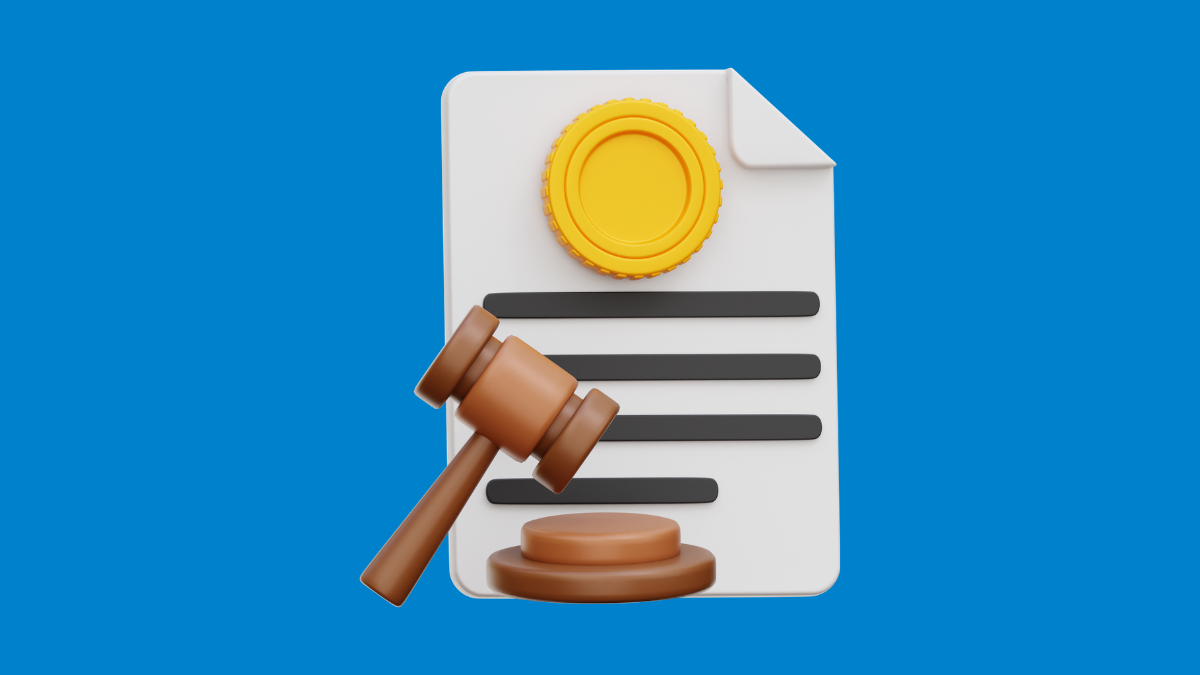
Crypto regulations refer to the legal frameworks and rules that governments establish to manage how cryptocurrencies and blockchain-based businesses operate.
They cover key areas such as:
How exchanges must verify users (KYC and AML)
How digital assets are classified (as commodities, securities, or currencies)
How crypto profits are taxed
How businesses must register and report their activities
How scams and illegal activities are prevented
The goal is to bring legitimacy to the industry while reducing risks for consumers and the financial system.
Why Regulation Matters
Regulation in crypto serves several important purposes:
Investor Protection: Ensures users are protected from fraud, scams, or poorly managed projects.
Market Stability: Helps reduce volatility by increasing trust in exchanges and stablecoins.
Prevention of Financial Crime: Enforces laws against money laundering, tax evasion, and terrorism financing.
Institutional Adoption: Gives large investors and companies confidence to enter the market legally.
Innovation Framework: Creates clear rules that allow developers to build compliant, scalable products.
When done correctly, regulation can strengthen the entire crypto ecosystem; not weaken it.
The Global Regulatory Landscape
United States
The U.S. has multiple agencies that oversee different aspects of crypto, including:
SEC (Securities and Exchange Commission): Regulates tokens considered securities.
CFTC (Commodity Futures Trading Commission): Oversees crypto derivatives and commodities like Bitcoin.
FinCEN (Financial Crimes Enforcement Network): Enforces AML and KYC compliance.
IRS (Internal Revenue Service): Manages crypto taxation.
The main challenge in the U.S. is the lack of unified regulation, with different agencies applying overlapping or conflicting rules.
European Union
The EU has taken a major step toward clarity with the MiCA (Markets in Crypto-Assets) regulation, passed in 2023.
MiCA introduces a comprehensive framework for stablecoins, exchanges, and service providers, setting transparency and consumer protection standards across all EU member states.
Asia
Japan: One of the earliest countries to regulate crypto exchanges through its Financial Services Agency (FSA), ensuring strict security and compliance.
Singapore: Uses a progressive approach with the Payment Services Act, promoting innovation while maintaining strong AML oversight.
China: Banned most crypto activities but continues to develop its digital yuan (CBDC), showing a preference for government-controlled blockchain technology.
Other Regions
United Kingdom: The FCA (Financial Conduct Authority) regulates certain crypto services and focuses on consumer protection.
Middle East: Countries like the UAE are emerging as crypto-friendly hubs with clear business frameworks.
Latin America: Nations such as El Salvador have embraced Bitcoin as legal tender, while others are still defining their positions.
Key Areas of Regulation in Crypto
1. KYC and AML
Regulators require exchanges and platforms to identify users (KYC) and monitor transactions (AML) to prevent financial crime.
2. Taxation
In most countries, cryptocurrencies are treated as property or investment assets. This means profits from trading, staking, or mining are subject to capital gains tax.
3. Licensing and Registration
Exchanges and wallet What are Crypto Wallets?A crypto wallet doesn’t store coins like a piggy bank. Instead, it keeps keys that let you access your crypto on the blockchain.Keep learning providers often need government licenses to operate legally, similar to banks or financial institutions.
4. Stablecoins
Because stablecoins like USDT or USDC are tied to fiat currency, regulators closely monitor their reserves to prevent systemic risks or fraud.
5. Securities Classification
Regulators debate whether certain tokens should be treated as securities (like stocks) or commodities (like gold). The classification affects how they can be issued and traded.
6. Consumer Protection
Laws are being created to protect investors from fraudulent projects, misleading advertising, and rug pulls. Some countries also require exchanges to provide risk warnings and insurance coverage.
Challenges in Regulating Crypto
While regulation is necessary, it comes with major challenges:
Global Nature: Crypto operates across borders, making it hard for any single government to control.
Decentralization: Many blockchain systems lack a central authority to hold accountable.
Rapid Innovation: Technology evolves faster than most governments can legislate.
Privacy vs. Compliance: Striking a balance between personal freedom and legal oversight remains complex.
These challenges often lead to fragmented or inconsistent rules that can slow innovation or push projects into unregulated jurisdictions.
The Future of Crypto Regulation
The future of regulation will likely focus on harmonization; creating consistent standards that protect users while allowing innovation to flourish.
Emerging trends include:
International Cooperation: Global bodies like FATF are promoting unified AML and KYC standards.
DeFi
 What is DeFi?DeFi stands for Decentralized Finance. It refers to a collection of applications and platforms built on blockchain that allow people to transact without banks.Keep learning Oversight: Regulators are exploring how to apply rules to decentralizedWhat is Decentralization?Decentralization is the distribution of control and decision-making across a network instead of a single central authority.Keep learning finance platforms.
Privacy Solutions: Use of zero-knowledge proofs and decentralized identity (DID) to meet compliance without exposing user data.
CBDCs (Central Bank Digital Currencies): Governments are creating their own digital currencies to coexist with or compete against crypto.

Rather than fighting crypto, more regulators are beginning to see its potential; aiming to integrate it into modern financial systems responsibly.
Conclusion
Regulations in crypto are not just about control; they are about building trust, protecting users, and ensuring sustainable growth.
As blockchain technology continues to expand, thoughtful regulation will help bridge the gap between innovation and accountability.
The key will be finding balance: protecting investors without stifling the creativity that drives the crypto revolution.
The tags found in our glossary are there to help you better understand presented definitions. They showcase how certain concepts integrate and interact within the ecosystem.
Rectangular tags signal a concept related to BlockchainWhat is a Blockchain?Think of blockchain as a public notebook that everyone owns a copy of. Whatever gets written in it is permanent and visible to all.Keep learning as a technology. Whereas rounded tags represent Cryptocurrency What is Cryptocurrency?Cryptocurrency, often called “crypto,” is a form of digital currency that uses cryptography (advanced math and code) to keep it secure.Keep learning in more of a financial aspect. You’ll also see rectangular dashed tags for Web3
 What is Web3?Web3 is the idea of a decentralized internet powered by blockchain.Keep learning and rounded dashed tags for DeFi
 What is DeFi?DeFi stands for Decentralized Finance. It refers to a collection of applications and platforms built on blockchain that allow people to transact without banks.Keep learning specifically.
Learn more about the relationship between all the tags and their respective concept with our Interactive Mind Map.

What are ICOs (Initial Coin Offerings)?
ICOs (Initial Coin Offerings) are fundraising events where new crypto projects sell tokens to investors to raise capital for development.
Keep learning
What is Proof of Work?
Proof of Work (PoW) is a consensus mechanism where miners use computing power to validate transactions and secure the blockchain.
Keep learning
Crypto Environmental Considerations
Crypto environmental considerations refer to the energy use, carbon footprint, and sustainability impacts associated with cryptocurrency activity and networks.
Keep learning
What is Cryptocurrency?
Cryptocurrency, often called “crypto,” is a form of digital currency that uses cryptography (advanced math and code) to keep it secure.
Keep learning