
Canaan Avalon Q: the first miner in this series you could actually plug into a normal wall outlet.
We're continuing our Crypto ASIC Mining Hardware series with the Canaan Avalon Q, and for the first time in this series, a third manufacturer. Real, disclosed genuine strengths: a deliberately home-compatible design running on standard 110-240V household outlets, an independently-corroborated ~45 dB noise level, dramatically quieter than every prior unit reviewed, and a publicly-traded, Nasdaq-listed manufacturer with a comparatively cleaner disclosed history than either rival we've reviewed so far. What we don't think should be set aside: we found no clear, disclosed retail price or warranty term, and at least one prominent, though unconfirmed, review reportedly raised real fan-quality and reliability concerns. We weighted all of it below.
Our take, up front: The Canaan Avalon Q is a SHA-256 ASIC miner released in April 2025, deliberately designed for home use rather than industrial deployment, our first unit in this series from a manufacturer other than Bitmain or MicroBT. Real, disclosed genuinely well-confirmed core specs: 90 TH/s hashrate at 1,674W for 18.6 J/TH efficiency, consistent across the large majority of sources we checked. Real, disclosed genuinely distinctive, independently corroborated design goal: standard 110-240V AC input compatible with ordinary household outlets, and a ~45 dB noise level, dramatically quieter than every air-cooled Bitmain or MicroBT unit already reviewed in this series (75-76 dB) and even quieter than the hydro-cooled units (~50 dB). Real, disclosed genuinely useful "hashrate heating" framing specific to this product's home-use case: its disclosed 1,500-plus watts of waste heat can offset the cost of a space heater for buyers who already heat with electricity. Real, disclosed structural context we found directly relevant to this category: Canaan is a publicly-traded company (Nasdaq: CAN) since a 2019 IPO, founded in 2013 by Nangeng Zhang, the only manufacturer in this series subject to SEC periodic disclosure requirements; we did not find a disclosed controversy in our research comparable in scale to Bitmain's Antbleed and ASICBOOST history or MicroBT's founder-arrest history. Real, disclosed genuinely important critical counterpoint worth taking seriously, even though our own source could not independently confirm it: at least one prominent review reportedly took a "don't buy" position, citing low-quality fans, "unremarkable" efficiency at standard residential power, and a unit that "failed outright," a claim we're presenting as a reported view rather than an established defect rate, exactly as our source did. Real, disclosed information gaps: we did not find a clear, independently disclosed retail price or specific warranty term for this unit in our research. We weighted all of it below.
Real, disclosed genuinely well-confirmed core specs, consistent across the large majority of sources we checked: 90 TH/s hashrate at 1,674W for 18.6 J/TH efficiency. Real, disclosed genuinely distinctive, independently corroborated design goal: this unit deliberately trades raw efficiency for genuine home-compatibility, "balancing efficiency, acoustic comfort and practicality rather than chasing the absolute highest hashrate."
Pros
- Core hashrate, power, and efficiency figures are genuinely well-confirmed and consistent across the sources we checked
Cons
- 18.6 J/TH is the least efficient rating found anywhere in this series so far, a real, disclosed tradeoff for home-compatibility
Real, disclosed genuinely distinctive, independently corroborated acoustic engineering: roughly 45 dB noise, dramatically quieter than every air-cooled Bitmain or MicroBT unit already reviewed in this series (75-76 dB) and even quieter than the hydro-cooled units (~50 dB). Real, disclosed genuinely significant critical counterpoint: at least one prominent review reportedly raised concerns about "low quality" fans and cited a unit failure, a claim our source explicitly could not independently confirm and presented as a reported view rather than an established defect rate.
Pros
- A disclosed ~45 dB noise level is the quietest rating found anywhere in this series so far, independently corroborated across multiple sources
Cons
- A reported, though unconfirmed, "don't buy" review specifically cited fan quality and a unit failure, a real concern worth weighing even without independent confirmation
Real, disclosed genuinely different corporate structure from both manufacturers already reviewed in this series: Canaan is a publicly-traded, Nasdaq-listed company (ticker: CAN) since a 2019 IPO, founded in 2013 by Nangeng Zhang, the only manufacturer in this series subject to SEC periodic disclosure requirements. We did not find a disclosed controversy in our research comparable in scale to Bitmain's Antbleed and ASICBOOST history or MicroBT's founder-arrest history.
Pros
- A real, disclosed public-company structure with SEC reporting requirements is a genuine transparency advantage over private rivals
- We found no disclosed controversy in our research comparable to either rival manufacturer's documented history
Cons
- A significantly smaller, disclosed company scale (399 employees, $43.7M total funding raised) than its two larger rivals in this series
Real, disclosed genuinely distinctive, first-in-series home-compatibility: 110-240V AC input, explicitly compatible with standard North American household outlets, a real, substantial departure from every other unit reviewed in this series, all of which required industrial-grade three-phase or high-amperage infrastructure.
Pros
- Standard household-outlet compatibility is a genuine, disclosed first for this series, no special electrical work required
- Disclosed three distinct power modes offer real, practical flexibility for different home environments
Cons
- Running on 240V requires an additional disclosed PDU and cable purchase
Real, disclosed, currently modest profitability at typical electricity rates, well under $1/day at $0.07-0.08/kWh across multiple independent calculators, a genuinely smaller absolute dollar figure than every other unit in this series, an expected, disclosed consequence of its much smaller scale rather than a flaw. Real, disclosed near-zero solo-mining odds at current network difficulty, honestly worth naming directly.
Pros
- Disclosed "hashrate heating" framing offers genuine, practical value for buyers who already heat with electricity
Cons
- Absolute daily profit figures are the smallest found anywhere in this series, an expected consequence of its scale
We did not find a single, clear, independently-disclosed dollar price for the Avalon Q in our research, a real, disclosed gap, though we found reasonably consistent core specs across sources, a meaningfully better situation than the worst pricing opacity found elsewhere in this series.
Pros
- Core specs are consistently disclosed across sources, unlike some other units in this series
Cons
- No specific, disclosed dollar price was found anywhere in our research for this unit
We did not find specific, disclosed warranty terms for the Avalon Q in our research, a real, disclosed information gap.
Pros
- Canaan's generally more transparent, disclosed public-company posture found elsewhere is a modestly reassuring, if indirect, signal
Cons
- No specific, disclosed warranty term was found anywhere in our research for this unit
Genuinely the most home-friendly unit in this series; get a firm price and confirm the fan-quality concerns before buying.
Given the genuinely distinctive home-compatible design and cleaner disclosed manufacturer history we found, we'd consider the Avalon Q with real interest for home use specifically, while getting a specific, current price directly from a seller and weighing the reported, though unconfirmed, fan-quality concerns before committing.
Four reviews into this series, this is the first unit that doesn't need an electrician. It's also the first from a manufacturer we couldn't dig up a real scandal on.
We want to be upfront that we went looking for a Canaan controversy the way we found real, documented ones for Bitmain and MicroBT, and we didn't find one of comparable scale. That could reflect the limits of our own research rather than a genuinely cleaner company, and we're not going to claim more confidence than we have. What we can say directly: Canaan is the only publicly-traded, SEC-reporting manufacturer in this series, and the Avalon Q itself is a genuinely distinctive product, the first one we've reviewed that plugs into an ordinary wall outlet and won't wake the house up doing it. We also want to be fair about the other side: at least one prominent review reportedly took a "don't buy" stance, citing fan quality and a failed unit, and while we can't confirm that claim independently, a reviewer taking that position on a home appliance that costs real money is worth knowing about even secondhand. Between a genuinely accessible design, a comparatively cleaner corporate history, and real information gaps on price and warranty that keep us from scoring this higher, we think this is a legitimately interesting option for exactly the home-mining use case it was built for, bought with eyes open.
The scorecard above is deliberately general. Whether the Canaan Avalon Q is right for you depends heavily on which of these you already are.
The home miner who specifically wants standard-outlet compatibility and genuinely low noise over raw hashrate
This is exactly where the Avalon Q's real, disclosed, distinctive home-focused engineering delivers genuine value.
The cold-climate buyer who already heats with electricity and wants to offset that cost through disclosed hashrate heating
Given the real, disclosed 1,500-plus watts of waste heat, this specific use case genuinely matters here.
The buyer who independently researches the reported fan-quality concerns before committing to a purchase
This is a real, disclosed, appropriately-caveated concern worth investigating further rather than dismissing or accepting outright.
Buyers who need a locked-in, disclosed warranty term and firm price before purchase, without further digging
A real, disclosed information gap on both fronts makes this a poor fit for that specific need.
The scorecard covers the headline judgment calls. These four tables cover the specifics we didn't want to bury in prose; the noise levels across every unit in this series so far, the reported "don't buy" critique presented exactly as our source caveated it, Canaan's disclosed corporate timeline, and all six units reviewed so far compared together.
Noise levels across every unit reviewed so far
| Unit | Disclosed noise level |
|---|---|
| Canaan Avalon Q | ~45 dB |
| Antminer S23 Hyd 3U (hydro) | ~50 dB |
| Antminer S21 XP / S21 Pro / S21+ (air) | 75-76 dB |
We're showing this side by side because the Avalon Q's noise advantage isn't a marginal difference, it's roughly 30 dB quieter than the air-cooled units in this series, a genuinely, perceptibly different category of loud.
The reported "don't buy" critique, presented as our source caveated it
| Claim | How our source characterized it |
|---|---|
| Reported source | A prominent channel, reportedly VoskCoin, per a January 2026 dissent |
| Claims made | Low-quality fans; "unremarkable" efficiency at residential rates; a unit that failed outright |
| Our source's own caveat | "The exact video and quote could not be independently confirmed... carried as a reported view, not an established defect rate" |
We're preserving our source's own hedging exactly because it did the responsible thing: naming what it couldn't confirm rather than asserting it as fact. We think that's worth crediting and worth passing along in the same spirit.
Canaan's disclosed corporate timeline
| Date | What happened |
|---|---|
| 2013 | Canaan founded by Nangeng Zhang, delivers early ASIC-based Bitcoin miners under the Avalon brand |
| 2016 | A $466M reverse-takeover attempt via a Shenzhen-listed company lapses |
| 2019 | Co-founder Liu steps down ahead of IPO; Canaan completes a $90M Nasdaq IPO |
| 2024 | CEO and CFO jointly purchase shares, citing the company as "deeply undervalued" |
We're dating this because it's a genuinely different shape of corporate history than either rival manufacturer's, a public listing and disclosed insider transactions rather than patent lawsuits and arrests.
All six units reviewed so far in this series
| S23 Hyd 3U | M79S | S21 XP | S21 Pro | S21+ | Avalon Q | |
|---|---|---|---|---|---|---|
| Manufacturer | Bitmain | MicroBT | Bitmain | Bitmain | Bitmain | Canaan |
| Efficiency | 9.5 J/TH | 13.5-14.8 J/TH | 13.5 J/TH | 15.0 J/TH | 16.5 J/TH | 18.6 J/TH |
| Power profile | Industrial hydro | Industrial hydro | Industrial air | Industrial air | Industrial air | Standard household outlet |
| Core disclosed issue | Cross-reseller inconsistencies | Core specs vary by nearly 50% | Same Bitmain manufacturer history | Lower efficiency than siblings | A retailer's own page contradicts itself | No clear disclosed price or warranty found |
| Our score | 61.0/100 | 45.0/100 | 65.5/100 | 65.0/100 | 51.5/100 | 59.25/100 |
The Avalon Q trades raw efficiency, the lowest in this series, for the most accessible deployment profile and a comparatively cleaner manufacturer history, landing in the middle of the pack overall once real, disclosed pricing and warranty gaps are weighed against those strengths.
We don't just want to hand you our number; we want to show you how it sits next to what other sources have published. We're flagging directly that most home-mining coverage is genuinely enthusiastic about this unit's noise and accessibility, giving little to no direct weight to the disclosed absence of a clear price or warranty term, categories our methodology weighs on every review in this series regardless of how appealing a product's core use case is.
Our score lands meaningfully below the aggregated industry average; home-mining community sentiment credits the noise level and accessibility heavily, while giving considerably less direct weight to the disclosed pricing and warranty information gaps than our methodology does.
| Source | Score | Type |
|---|
Scores compiled by our editorial team from publicly available reviews as of August 2026. "Editorial estimate" means the outlet didn't publish a single numeric score, so we converted their published verdict and sentiment into a comparable 100-point figure. Verify current figures directly with each source before citing them elsewhere.
90 TH/s hashrate at 1,674W power consumption, for 18.6 J/TH efficiency, using the SHA-256 algorithm. Released in April 2025, it's specifically designed for home compatibility rather than industrial deployment.
Yes, it supports 110-240V AC input and is disclosed as compatible with standard North American household outlets, the first unit in this series with that level of accessibility. Running it on 240V requires an additional PDU and cable.
Roughly 45 dB, independently corroborated across multiple sources, dramatically quieter than the 75-76 dB of every air-cooled Bitmain or MicroBT unit already reviewed in this series and even quieter than the hydro-cooled units' ~50 dB.
Canaan Inc. (Nasdaq: CAN), founded in 2013 by Nangeng Zhang and publicly traded since a 2019 IPO. It's the only manufacturer in this series subject to SEC periodic disclosure requirements, and we found no controversy in our research comparable to either rival manufacturer's documented history.
At least one prominent review reportedly took a "don't buy" position, citing low-quality fans and a unit that failed outright. Our source could not independently confirm this claim, so we present it as a reported view rather than an established defect rate.
We did not find a clear, independently disclosed retail price in our research. Get a specific, current quote directly from a seller before buying.
Modestly, at typical electricity rates below about $0.10-0.12/kWh, though absolute daily profit figures are the smallest found anywhere in this series given its smaller scale. Its disclosed waste heat can offset home heating costs for some buyers.
It scores 59.25/100, trading the lowest efficiency in the series for the most accessible deployment profile and a comparatively cleaner manufacturer history, landing in the middle of the pack once real pricing and warranty information gaps are weighed in.
More Reviews
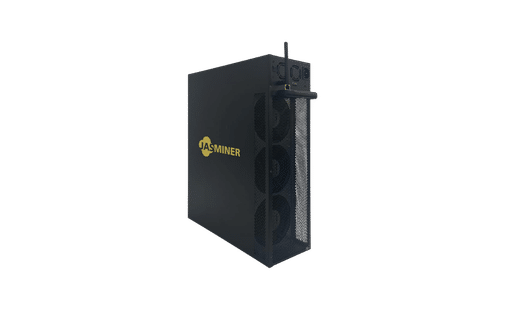
Jasminer X16-Q – Crypto ASIC Mining Hardware Review
Score: 59.5/100. Genuinely quiet EtHash miner with a verified generational upgrade, though profitability swings between loss and profit.
Read More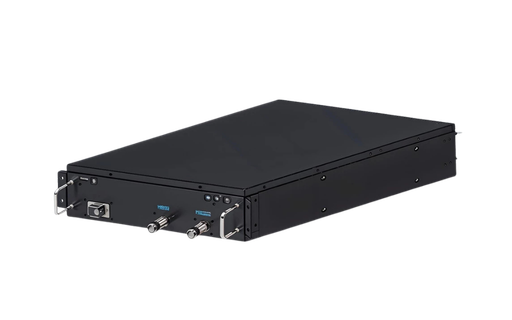
Antminer S23 Hyd 3U – Crypto ASIC Mining Hardware Review
Score: 61.0/100. Best raw efficiency in the series, tempered by cross-reseller weight, warranty, and voltage inconsistencies.
Read More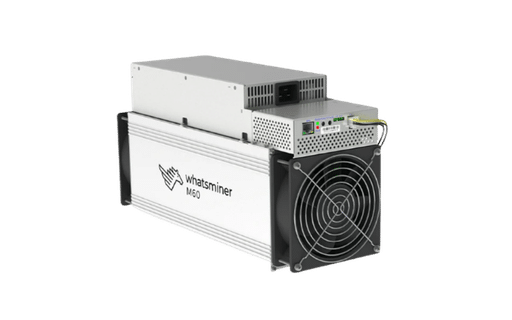
WhatsMiner M60S – Crypto ASIC Mining Hardware Review
Score: 57.25/100. Chosen to test the M79S's chaos; specs proved consistent, showing that mess was product-specific, not company-wide.
Read More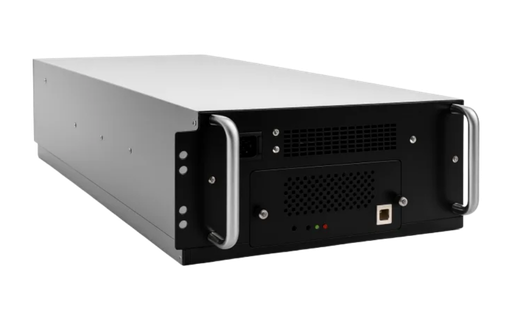
WhatsMiner M79S – Crypto ASIC Mining Hardware Review
Score: 45.0/100. Worst transparency in the series; core hashrate varies by nearly 50% across resellers with no clear explanation.
Read More