What is Decentralization?
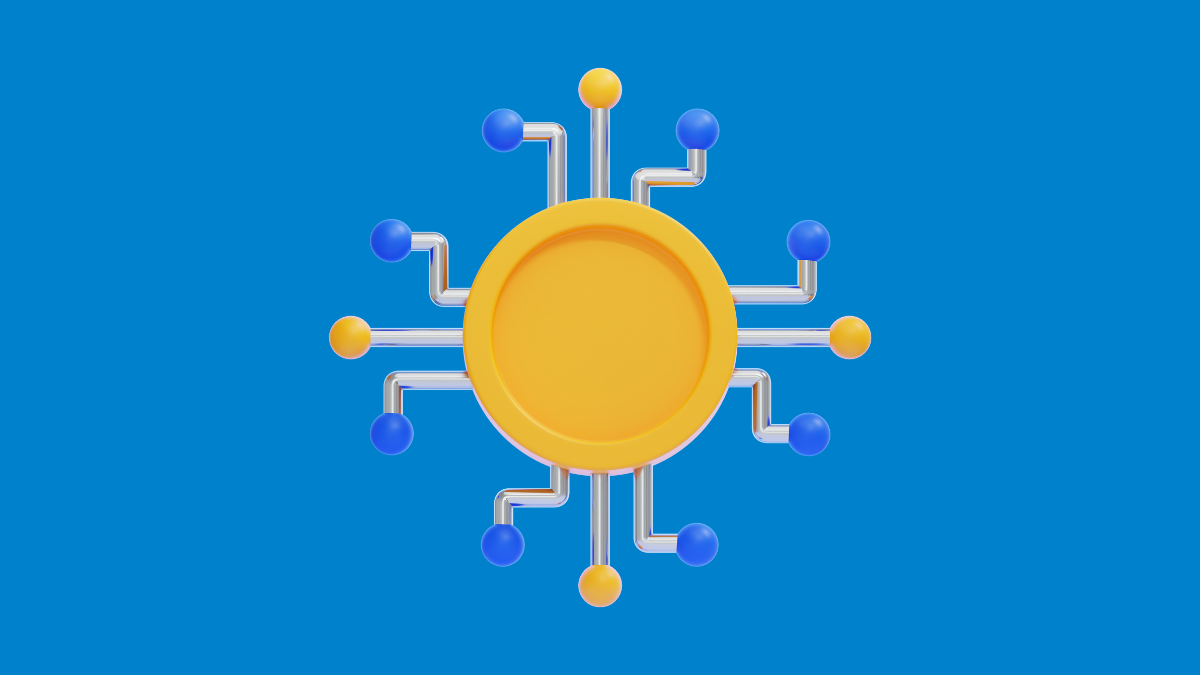
Decentralization is the idea of spreading power, control, and decision-making across many independent participants instead of concentrating it in a single authority. In the context of technology and finance, it means no single person, company, or government has full control over the system. Instead, the system operates through open rules, shared responsibility, and distributed infrastructure.
To understand decentralization, imagine a traditional library. All the books are stored in one building. If the library closes, gets damaged, or restricts access, nobody can use it. That’s a centralized system; one location, one authority.
Now imagine a network of digital libraries where every member has a full copy of the entire collection. If one library goes offline, the others still function. No one can restrict access or quietly remove a book without everyone noticing. That’s decentralization in action: the system keeps working even if parts of it fail or behave dishonestly.
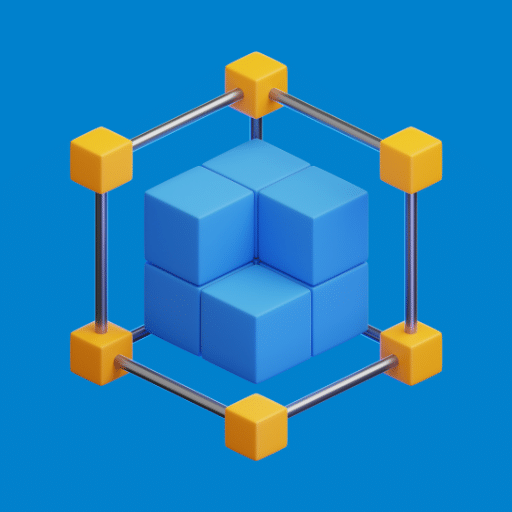
Blockchains use decentralization to create trust without needing a central gatekeeper. Instead of relying on a bank to record balances or a company to maintain a database, thousands of independent computers (nodes) maintain identical copies of the ledger. Every time a transaction happens, those computers collectively agree on what is valid through a process called consensus. Because no single party controls the ledger, no one can change the rules, censor transactions, or alter history without the entire network detecting and rejecting the tampering.
A good analogy is a group chat versus a private text message. If one person tries to lie about what was said in a private text, there’s no proof except the sender’s word. But in a group chat with ten people, a lie is much harder; everyone has a copy of the conversation. Blockchain is like a permanent group chat for transactions: shared, visible, and extremely hard to manipulate.
Decentralization offers several advantages:
Censorship resistance
No central authority can block your transaction or freeze your funds. This is powerful for people living under restrictive governments or dealing with unstable banking systems.
Security through distribution
A decentralized network is harder to attack because there’s no single point of failure. Hacking one computer doesn’t compromise the entire system.
Transparency and accountability
All participants share the same data, so decisions are made openly, and rule changes require broad agreement.
Open participation
Anyone with an internet connection can join, verify transactions, or build applications on top of the network without needing permission.
But decentralization also comes with trade-offs:
Slower performance compared to centralized systems, because thousands of participants must agree on updates.
Higher complexity for users, who must manage their own keys and security.
Challenges in coordination, because changing the system requires community consensus rather than a single command.
Despite these limitations, decentralization matters because it gives people control over their own assets and data. It prevents any organization from having unchecked power. And in an increasingly digital world, it offers a new way to build systems that are fair, resilient, and open to everyone.
Crypto is the most visible example of decentralization today, but the principle extends far beyond money. It’s shaping new forms of communication, identity, governance, and collaboration; putting ownership and control back into the hands of individuals instead of institutions.