
What are Tokenomics?

What are Tokenomics? Tokenomics refers to the economic design of a crypto asset; how it’s created, distributed, used, rewarded, and maintained over time. If a blockchain or protocol is a digital economy, tokenomics is the blueprint that defines how value flows within it. Strong tokenomics can make a project sustainable; weak tokenomics can doom it, […]
What is GameFi?

What is GameFi? GameFi, short for Game Finance, combines gaming and blockchain-based financial systems to create games where players can earn, trade, or own assets with real-world value. Instead of spending hours playing a game just for entertainment, GameFi introduces economic incentives that reward participation with digital assets; typically tokens or NFTs; that players truly […]
What is Governance?

What is Governance? Governance refers to the systems, rules, and processes that determine how decisions are made within a blockchain network, project, or decentralized organization. In traditional settings, governance is handled by executives, boards, or governments. In crypto, governance is often encoded directly into smart contracts or executed collectively by the community using tokens that […]
What is Tokenization?
What is Tokenization? Tokenization is the process of turning rights to an asset into a digital token on a blockchain. These tokens represent ownership, access, or some form of value, and they can be moved, traded, or divided with far less friction than in traditional systems. Tokenization transforms almost anything; currencies, real estate, art, memberships, […]
What are dApps?

What are dApps? A dApp, or decentralized application, is a software application that runs on a blockchain instead of relying on a centralized server controlled by a single company. The key idea is that the logic, data, and rules of the application are enforced by smart contracts; self-executing programs on the blockchain; rather than by […]
What is Ownership?

What is Ownership? Ownership in the digital world refers to having recognized, verifiable control over an asset; whether it’s money, data, art, or access rights; without needing a third party to validate it. In traditional systems, ownership is established through institutions: banks record your account balance, companies store your subscriptions, and governments register your property. […]
What is Minting?

What is Minting? Minting is the process of creating new digital assets on a blockchain. It is the moment a token or NFT comes into existence; similar to how a government prints new bills or issues new coins, except in the blockchain world the process is governed by code rather than by a central authority. […]
What are Gas Fees?

What are Gas Fees? Gas fees are the costs users pay to perform actions on networks like Ethereum. Every transaction; whether it’s sending tokens, minting an NFT, or interacting with a smart contract; requires computational work. Gas represents the units of that work, and gas fees are what you pay to have the network process […]
What is the difference between Native Coins vs Tokens?
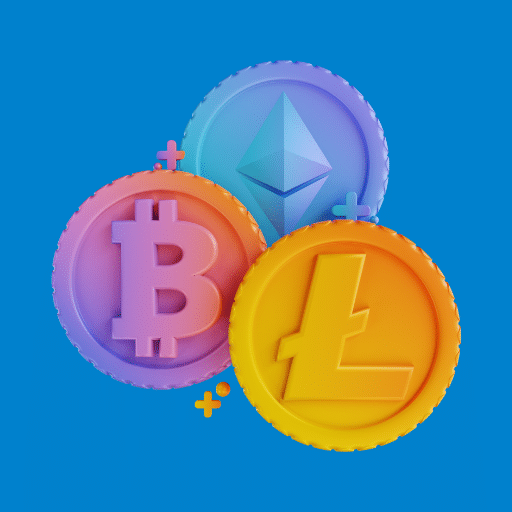
What is the difference between Native Coins and Tokens? Native coins and tokens are both digital assets, but they serve different roles and are created in fundamentally different ways. The easiest way to understand the distinction is to picture a city versus the businesses operating inside it. A city issues its own currency and maintains […]