
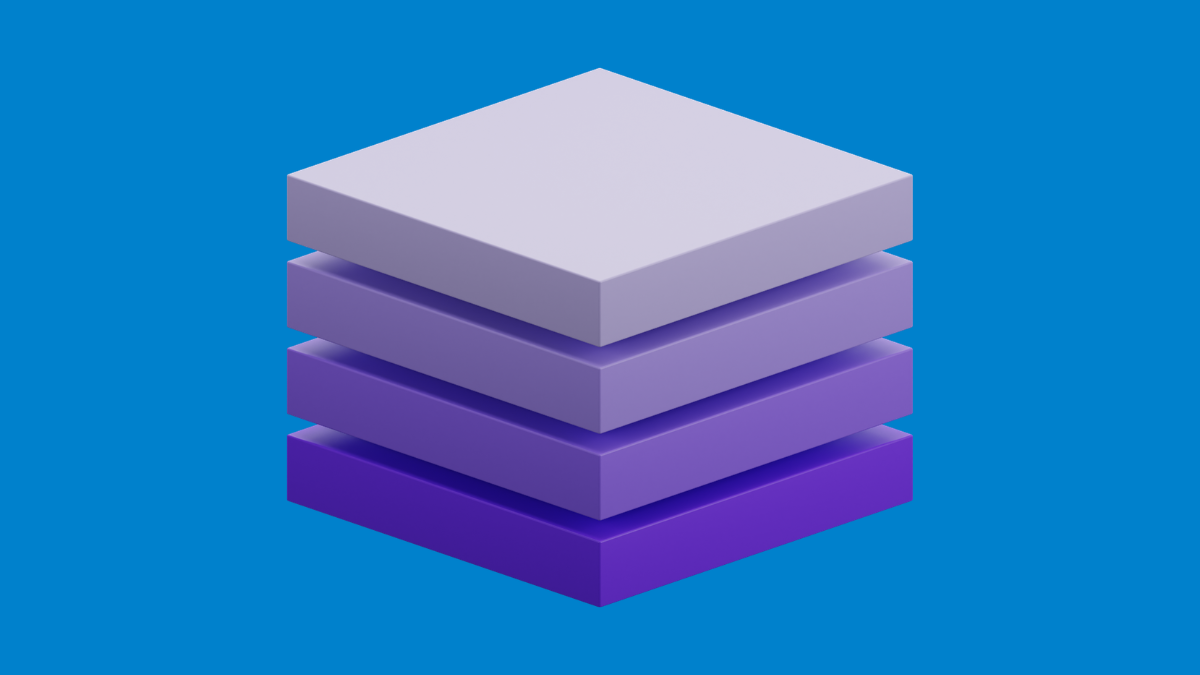
The Concept of Blockchain Layers
Blockchain layers divide the system into specialized components. Each layer focuses on one job; data transmission, security, scalability, or applications; so improvements can be made without redesigning the entire system. This structure also helps address the blockchain BlockchainThink of blockchain as a public notebook that everyone owns a copy of. Whatever gets written in it is permanent and visible to all.Keep learning trilemma, which states that decentralization, security, and scalability cannot all be maximized simultaneously. Layering allows developers to scale blockchains while preserving decentralization and security.
Layer 0 — The Foundation
Layer 0 provides the underlying infrastructure that enables blockchains to communicate and interoperate. It includes networking protocols, validators, and cross‑chain messaging systems.
Key functions:
- Interoperability between chains
- Shared security frameworks
- Cross‑chain data and asset transfers
- Base networking and communication
Examples include Cosmos and Polkadot, which act as “internet‑of‑blockchains” ecosystems.
Layer 1 — The Base Blockchain
Layer 1 is the core blockchain where transactions are validated and finalized. It defines the consensus rules, maintains the ledger, and provides the base level of security.
Characteristics:
- Independent networks with their own consensus mechanisms
- Handle transaction validation and block production
- Prioritize decentralization and security
- Face scalability limitations due to the trilemma
Examples: Bitcoin, Ethereum, Solana, Cardano.
Layer 2 — Scaling Solutions
Layer 2 networks are built on top of Layer 1 to increase throughput and reduce fees. They inherit security from the L1 but process transactions off‑chain or in compressed batches.
Common types:
- Optimistic rollups
- Zero‑knowledge rollups
- State channels
- Plasma chains
L2s relieve congestion on the base layer and enable faster, cheaper transactions while maintaining trustlessness.
Layer 3 — Application and Customization Layer
Layer 3 networks sit above Layer 2 and provide specialized environments for specific applications or ecosystems. They focus on customization rather than general scalability.
Use cases:
- Application‑specific rollups
- High‑performance gaming chains
- Privacy‑focused execution layers
- Enterprise or permissioned environments
L3s allow developers to tailor performance, privacy, or governance GovernanceGovernance in crypto is how decisions about a blockchain or protocol are made, often through token holders voting on changes and proposals.Keep learning without modifying the L2 or L1.
How the Layers Work Together
The blockchain stack can be viewed as a coordinated hierarchy:
- Layer 0 enables communication and interoperability.
- Layer 1 provides security and settlement.
- Layer 2 scales the system with faster, cheaper execution.
- Layer 3 customizes environments for specific applications.
This modular approach allows innovation at one layer without disrupting the others, similar to how the internet’s layered architecture evolved.
The tags found in our glossary are there to help you better understand presented definitions. They showcase how certain concepts integrate and interact within the ecosystem.
Rectangular tags signal a concept related to BlockchainBlockchainThink of blockchain as a public notebook that everyone owns a copy of. Whatever gets written in it is permanent and visible to all.Keep learning as a technology. Whereas rounded tags represent Cryptocurrency CryptocurrencyCryptocurrency, often called “crypto,” is a form of digital currency that uses cryptography (advanced math and code) to keep it secure.Keep learning in more of a financial aspect. You’ll also see rectangular dashed tags for Web3
 Web3Web3 is the idea of a decentralized internet powered by blockchain.Keep learning and rounded dashed tags for DeFi
 DeFiDeFi stands for Decentralized Finance. It refers to a collection of applications and platforms built on blockchain that allow people to transact without banks.Keep learning specifically.
Learn more about the relationship between all the tags and their respective concept with our Free Interactive Courses.

Proof of Work
Proof of Work (PoW) is a consensus mechanism where miners use computing power to validate transactions and secure the blockchain.
Keep learning
Tokenomics
Tokenomics refers to a cryptocurrency’s economic design, including supply, distribution, utility, and incentives that influence its value and behavior.
Keep learning
Real-World Assets (RWAs)
Real-World Assets (RWAs) are physical or traditional financial assets, like real estate or bonds, represented and traded on blockchain networks.
Keep learning
Blockchain
Think of blockchain as a public notebook that everyone owns a copy of. Whatever gets written in it is permanent and visible to all.
Keep learning