The Rise and Fall of Terra Luna: When Stablecoins Stopped Being Stable
In the spring of 2022, the cryptocurrency world witnessed one of its most shocking collapses. A crash so severe it erased tens of billions of dollars in days and sent shockwaves across global markets. The story of Terra Luna and its so-called “stablecoin,” UST, began as an ambitious experiment to create a decentralized financial system. But when the system failed, it revealed the fragility of trust in a world built on algorithms and belief.
The idea behind Terra was bold. Founded by Do Kwon, a South Korean entrepreneur with a flair for confidence and controversy, Terra aimed to build a family of digital currencies tied to real-world value. Its crown jewel was UST, a stablecoin designed to maintain a constant value of one U.S. dollar, without being backed by actual dollars in a bank.
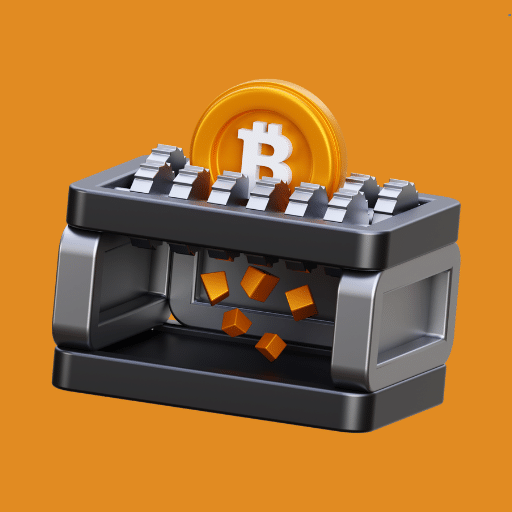
Instead, UST’s stability was maintained through an algorithm linked to another token, Luna. The system worked like this: whenever the price of UST rose above $1, new Luna tokens could be burned (destroyed) to create more UST, bringing the price down. When UST fell below $1, users could trade it for Luna, reducing supply and pushing the price back up. It was a clever design meant to use market forces to keep everything balanced, at least in theory.
For a while, it worked beautifully. Investors poured in. UST offered high yields (up to 20%) through a lending platform called Anchor Protocol, which promised stable, passive income. As adoption grew, Terra’s ecosystem expanded rapidly. By early 2022, it was one of the biggest projects in crypto, valued at over $40 billion. Do Kwon became a star, projecting swagger on social media and dismissing critics as “poor.”
Then, in May 2022, the unthinkable happened. A wave of large withdrawals from Anchor triggered UST to slip slightly below its $1 peg. That small crack set off a chain reaction. As panic spread, people rushed to sell UST for Luna, flooding the market with new Luna tokens. The algorithm kept minting more and more Luna to try to restore balance but the price collapsed instead. Within days, Luna’s supply ballooned from hundreds of millions to trillions, and its value plummeted from over $100 to fractions of a cent.
UST was no longer stable, it was worthless. In a week, nearly $60 billion in value vanished. Investors, from institutions to small holders, were wiped out. The collapse spilled over into the wider crypto market, dragging down prices everywhere and shaking confidence in decentralized finance (DeFi).
Do Kwon became a global villain. He went into hiding as governments around the world launched investigations. In 2023, he was arrested in Montenegro after months on the run. The fall of Terra wasn’t just a financial disaster, it was a cautionary tale of overconfidence, unchecked risk, and the illusion of stability in a volatile world.
The Terra Luna collapse left behind deep lessons. It showed that not all innovation is progress, and that even the most sophisticated algorithms can’t defy the laws of economics. A “stablecoin” without real backing is only as stable as the faith people have in it and once that faith breaks, no code can put it back together.
Yet, in the aftermath, the event also forced the industry to mature. Developers began designing safer, asset-backed stablecoins and stricter risk controls. Regulators took notice, seeing clearly how fragile large-scale crypto systems could be.
In the end, Terra’s rise and fall captured both the brilliance and the danger of the crypto dream: a world trying to reinvent money itself. It was a reminder that ambition without humility can be catastrophic and that even in a decentralized system, stability begins with trust.