The Dogecoin story: from joke to global phenomenon
In the wild, unpredictable world of cryptocurrency, few stories capture the mix of humor, chaos, and community spirit quite like Dogecoin. What began as a lighthearted internet joke became a global movement, proof that sometimes the most unlikely ideas can capture the imagination of millions.
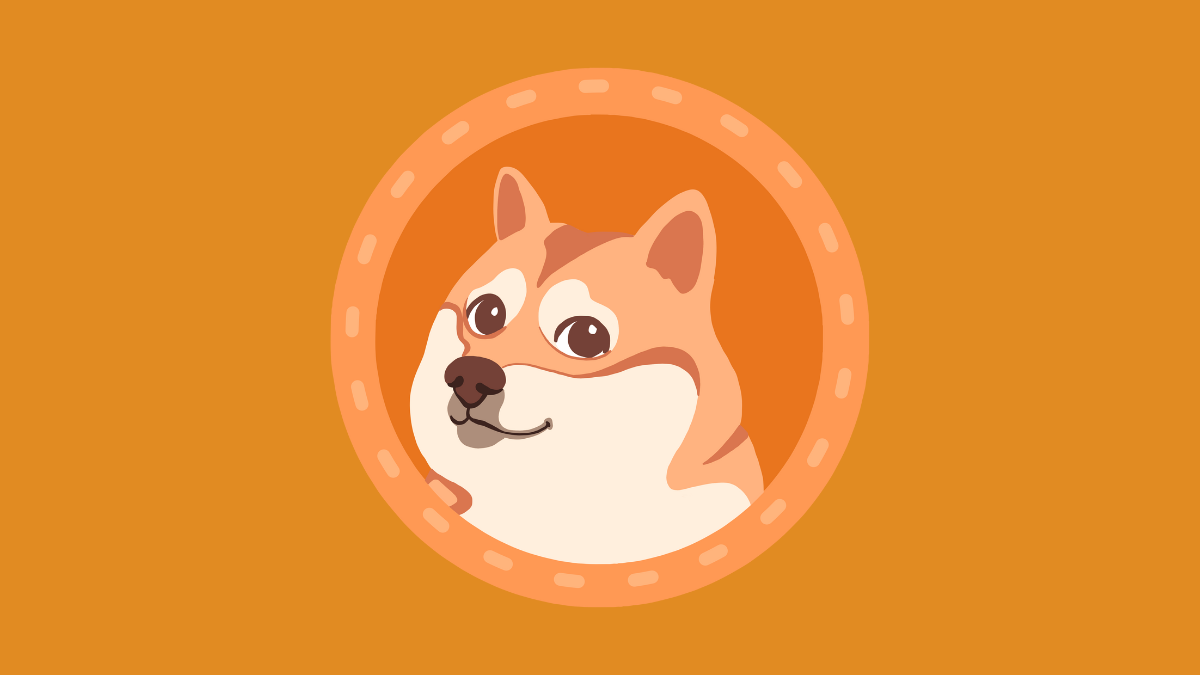
Dogecoin was born in December 2013, when two programmers, Billy Markus and Jackson Palmer, decided to create a parody of the growing cryptocurrency craze. At the time, Bitcoin was making headlines, and hundreds of new coins were popping up, each claiming to be the next big thing. Markus and Palmer wanted to poke fun at it all. They took the popular “Doge” meme, a Shiba Inu dog with comic sans captions like “so wow” and “much coin” and turned it into a real cryptocurrency.
What happened next surprised everyone, including its creators. The internet loved it. Dogecoin quickly became more than just a joke, it became a community. Its fans were mostly everyday people, not tech-savvy traders or financial experts. They used Dogecoin to tip others online, fund charitable causes, and celebrate the fun, inclusive side of the crypto world.
In early 2014, Dogecoin users raised tens of thousands of dollars worth of coins to help send the Jamaican bobsled team to the Winter Olympics. Later, they sponsored NASCAR driver Josh Wise, who raced with a Dogecoin-themed car. These acts of generosity and humor gave the coin a unique identity, less about profit, more about people.
But as crypto markets matured, Dogecoin’s story took a new turn. Years later, during the huge crypto boom of 2020 and 2021, Dogecoin came roaring back into the spotlight. Fueled by social media buzz, Reddit communities, and tweets from Elon Musk calling it “the people’s crypto,” Dogecoin’s price skyrocketed to unimaginable heights. For a coin created as a parody, it briefly reached a market value in the tens of billions of dollars.
Of course, with the hype came volatility. Prices soared and crashed, fortunes were made and lost, and critics argued that Dogecoin had no serious purpose or technological edge. Yet through it all, the Dogecoin community remained surprisingly resilient. Its charm lay not in its technical sophistication, but in its spirit, a reminder that money, at its core, is a shared belief system.
Dogecoin taught the world that value isn’t always rational. It’s emotional, cultural, and social. A coin born from a meme proved that a shared sense of fun could drive adoption and community just as powerfully as complex code or lofty ideals. It also reminded the crypto world not to take itself too seriously, that innovation often thrives on playfulness and unpredictability.
Today, Dogecoin still holds a loyal following, and its image remains one of the friendliest faces in crypto. Whether you see it as a joke, a social movement, or a glimpse into how digital culture shapes finance, Dogecoin stands as a symbol of the internet’s power to turn even a meme into a movement.
In the end, the Dogecoin story isn’t just about a coin, it’s about community, creativity, and the strange magic that happens when humor meets technology. It’s proof that sometimes, the things we laugh at the most can end up changing the world in ways we never expect.