The rise of NFTs: when digital art found its price tag
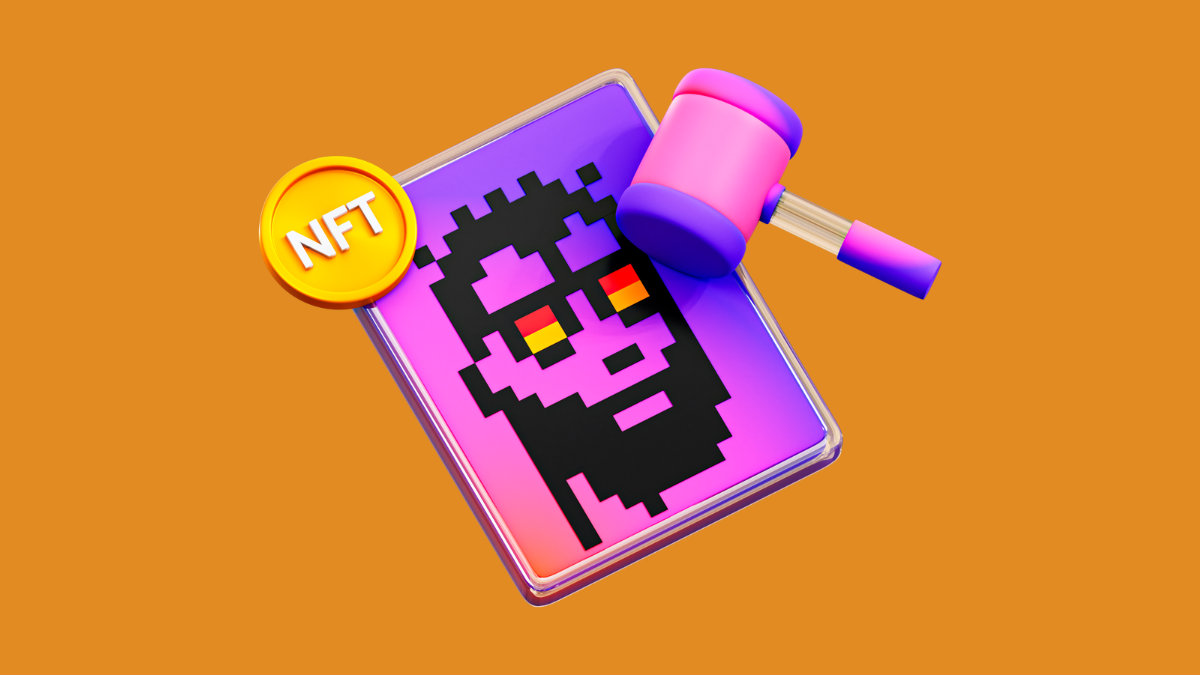
In early 2021, the world woke up to a strange new phenomenon, people were paying millions of dollars for digital images that anyone could right-click and save. These weren’t just memes or files; they were NFTs, short for non-fungible tokens. In just a few months, NFTs went from niche blockchain collectibles to a global craze that blended art, technology, and speculation in a way no one had seen before.
At their core, NFTs are digital tokens stored on a blockchain, most often Ethereum, that prove ownership and authenticity of a unique item. Unlike cryptocurrencies like Bitcoin or Ether, which are interchangeable, each NFT is distinct. That means one NFT can represent a specific artwork, song, video, or even a tweet, giving it digital scarcity in a world of endless copies.
The idea had existed for years in small communities. Projects like CryptoPunks and CryptoKitties introduced the concept of owning digital collectibles on the blockchain as early as 2017. But the spark that set off the explosion came in March 2021, when digital artist Beeple (real name Mike Winkelmann) sold an NFT of his artwork Everydays: The First 5000 Days at Christie’s auction house for over $69 million. Suddenly, NFTs weren’t just a curiosity, they were mainstream news.
The movement spread like wildfire. Musicians released NFT albums, athletes launched collectible moments, and brands rushed to create digital goods. Virtual worlds like Decentraland and The Sandbox sold plots of land for thousands of dollars. Even Twitter’s founder, Jack Dorsey, sold his first tweet as an NFT. To some, it was the future of art and ownership; to others, it was pure madness.
The NFT boom was both exhilarating and absurd. Prices for pixelated avatars and cartoon animals soared to unbelievable levels, fueled by hype, community loyalty, and the fear of missing out. Ordinary people became overnight millionaires. Yet as the excitement peaked, skeptics warned of a bubble. By 2022, the frenzy cooled, prices crashed, and trading volumes plummeted.
But what remained was more important than the market cycle. NFTs had permanently changed how people think about digital ownership. For the first time, creators could sell their work directly to fans without galleries or record labels, and earn royalties automatically through blockchain code. Artists in developing countries, niche fandoms, and online communities found global audiences and income streams that hadn’t existed before.
Of course, the NFT era also raised questions about environmental impact, copyright, speculation, and the line between art and hype. Many projects vanished, and scams were rampant. Yet innovation continued quietly beneath the noise. NFTs began finding use in gaming, real estate, identity verification, and ticketing, signs that the technology’s real potential might just be starting.
The story of NFTs isn’t simply one of rise and fall; it’s a mirror of human behavior in the digital age. It shows how people crave ownership, meaning, and connection, even in the virtual world. It also shows that technology alone doesn’t define value; belief does.
In the end, NFTs were never just about buying pictures. They were about redefining what it means to own something online, and proving that even in a world built on data, humans still want to say, “This one’s mine.”