What is Crypto’s Daily use?
Crypto daily use refers to the ways people integrate digital assets into everyday life; spending, sending, saving, or interacting with services without needing deep technical knowledge. While crypto once seemed like a niche tool for tech enthusiasts, it has increasingly become a practical option for ordinary users, especially in regions where financial systems are slow, costly, or unstable.
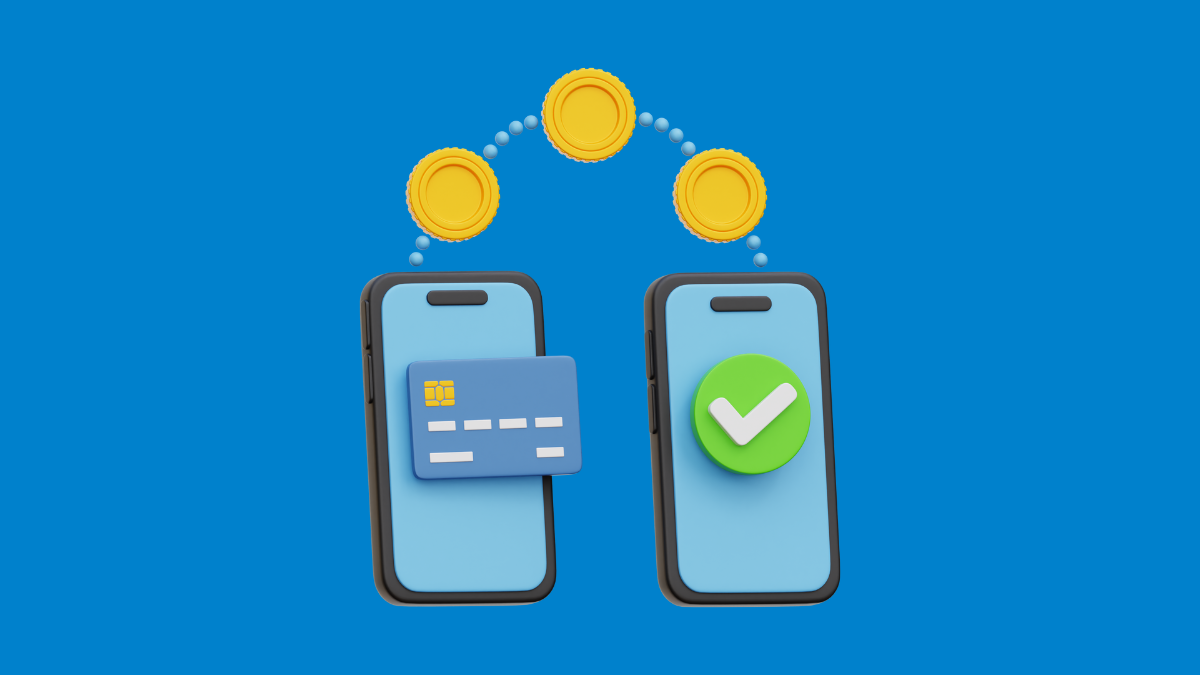
One of the simplest daily uses is payments. With a crypto wallet, someone can send money to another person anywhere in the world in minutes, often with lower fees than traditional remittance services. This is particularly valuable for migrant workers supporting family abroad or small businesses paying international partners. Instead of waiting days for a bank transfer to clear, a crypto transaction can be nearly instantaneous. A good analogy is email versus postal mail: both deliver messages, but one is dramatically faster and more convenient.
Crypto cards also play a large role in everyday spending. By instantly converting digital assets into fiat currency at checkout, they allow users to pay for groceries, transportation, or online subscriptions using balances held in Bitcoin, Ethereum, or stablecoins. The merchant doesn’t need to accept crypto directly; the conversion happens behind the scenes. This makes it possible to live partly or fully on crypto while still participating in the traditional economy.
Another practical use is savings. In countries facing high inflation, unstable banking conditions, or limited access to international currencies, people often turn to stablecoins; digital assets pegged to stable currencies like the US dollar. Stablecoins provide an accessible store of value that is easier to obtain and move than foreign cash. In some places, local merchants even set prices in stablecoins, turning them into an everyday financial tool.
Crypto is also becoming common in online commerce. Some companies accept direct crypto payments for flights, hotel bookings, electronics, or entertainment services. Freelancers increasingly use crypto to get paid because it avoids delays, bank fees, and currency conversion problems. Smart contracts make escrow-like arrangements possible without intermediaries; for example, paying a developer automatically once work is delivered.
Subscriptions and microtransactions are another area where crypto shines. Blockchain networks can handle very small payments efficiently, enabling pay-per-article news, per-minute streaming, or tipping creators online. Traditional payment systems often make small payments impractical due to their fees, but crypto makes them feasible.
Peer-to-peer marketplaces powered by crypto are growing as well. People buy and sell goods, exchange services, or even rent property using crypto payments. In some parts of the world, crypto-based peer-to-peer trading has become a primary economic channel due to limited access to banks or unstable local currencies.
Daily use also extends to financial management. People use crypto apps to track portfolios, move funds between platforms, swap assets, and automate savings strategies. Some CeFi and DeFi services offer crypto-backed loans, allowing users to access liquidity without selling their holdings; useful for covering expenses without triggering taxes or losing long-term investment positions.
There are challenges: price volatility, regulatory uncertainty, and scams can complicate adoption. Not every region has reliable on-ramps or off-ramps, and some places heavily restrict usage. But despite these obstacles, everyday crypto use continues to expand as apps become more user-friendly and infrastructure improves.
In essence, crypto daily use is about more than investing. It’s about treating digital assets as practical tools; transferring money, protecting savings, making purchases, and interacting with global services with speed and flexibility that traditional systems often cannot match.

Recap
Crypto’s daily use describes how digital assets are applied in ordinary, real-world activities beyond speculation. People use crypto to send payments quickly across borders, spend money through crypto cards, save value via stablecoins, get paid for freelance work, and make online purchases or microtransactions.
In many regions, crypto fills gaps left by slow, expensive, or unstable financial systems.
Comment
Speculation is only one aspect of investing in crypto. Another one is to be able to use said crypto on a daily basis. Let’s not forget that the reason crypto is so important is its intrinsic value.
Global adoption through a financial revolution is the end goal that we must strive for. Using crypto for daily activities is a step closer to that objective.
FAQ
Is crypto really used for everyday payments, or mostly for investing?
Both. While many people still hold crypto as an investment, millions also use it daily for payments, remittances, savings, and online services; especially where traditional banking is inefficient.
Why would someone use crypto instead of a bank transfer?
Crypto transfers can be faster, cheaper, and available 24/7, especially for international payments. There’s no need for intermediaries like correspondent banks, which often cause delays and high fees.
How do people spend crypto if most stores don’t accept it?
Crypto cards solve this problem by converting crypto into local currency at the point of sale. From the merchant’s perspective, it’s a normal card payment.
What role do stablecoins play in daily use?
Stablecoins reduce volatility by staying pegged to currencies like the US dollar. They’re commonly used for savings, pricing goods, paying salaries, and sending money without worrying about price swings.
Is using crypto every day risky because of price volatility?
Volatility is a risk for assets like Bitcoin or Ethereum. Many daily users mitigate this by holding and spending stablecoins instead of more volatile cryptocurrencies.
Can crypto be used for salaries or freelance work?
Yes. Many freelancers and remote workers accept crypto payments because they’re fast, global, and avoid banking friction or currency conversion issues.
Do I need technical knowledge to use crypto daily?
Less than before. Modern wallets, apps, and cards are designed for non-technical users, though basic understanding is still important to avoid mistakes or scams.
Are crypto transactions taxable when used daily?
In many countries, yes. Spending crypto can count as a taxable event, especially if the asset has increased in value. Rules vary by jurisdiction.
More Crypto fundamentals
What is Digital Scarcity?
What is Digital Scarcity? Digital scarcity is the idea that something existing purely in digital form can be limited in supply, just like gold...
Keep learningWhat are Crypto Cards?
What are Crypto Cards? Crypto cards are payment cards; usually debit or credit; that connect the traditional financial system with cryptocurrency accounts. They allow...
Keep learningWhat is Cryptocurrency?
Cryptocurrency, often called “crypto,” is a form of digital currency that uses cryptography (advanced math and code) to keep it secure.
Keep learningWhat is Decentralization?
What is Decentralization? Decentralization is the idea of spreading power, control, and decision-making across many independent participants instead of concentrating it in a single...
Keep learningWhat are Crypto ETFs?
What are Crypto ETFs? Crypto ETFs are investment funds traded on traditional stock exchanges that allow people to gain exposure to cryptocurrencies without having...
Keep learningWhat are Crypto Wallets?
A crypto wallet doesn’t store coins like a piggy bank. Instead, it keeps keys that let you access your crypto on the blockchain.
Keep learningWhat is Cryptography?
What is Cryptography? Cryptography is the science of protecting information so that only the intended people can understand or use it. It transforms readable...
Keep learningWhat is Ethereum?
What is Ethereum? Ethereum is a decentralized platform designed to run applications without relying on a central authority. While Bitcoin focuses mainly on being...
Keep learning