
Canaan Avalon Nano 3S: the quietest, most honestly-marketed unit we've reviewed in this entire series, and now our highest score too.
We're continuing our Crypto ASIC Mining Hardware series with the Canaan Avalon Nano 3S, a genuinely tiny desktop miner, deliberately chosen to test whether Canaan's comparatively clean manufacturer history and home-focus philosophy, already established reviewing the Avalon Q, hold up at a much smaller scale and price point. They do, and then some. Real, disclosed genuine strengths: the quietest noise level found anywhere in this series, a credible, mathematically-verified generational efficiency leap, a specific and reasonably consistent disclosed price, a consistent warranty term, and remarkably honest reseller disclosure that this device offers essentially no real return on investment. What we don't think should be set aside: it mines a negligible amount of Bitcoin in absolute terms, and no device this small will ever meaningfully pay for itself. We weighted all of it below.
Our take, up front: The Canaan Avalon Nano 3S is a compact, desktop-scale SHA-256 miner for Bitcoin, an upgraded successor to the original Avalon Nano 3, and our second Canaan product reviewed in this series after the Avalon Q. Real, disclosed genuinely well-confirmed, highly consistent core specs: 6 TH/s hashrate at 140W for 23.3 J/TH efficiency, with an officially disclosed tolerance (±3% hashrate, ±5% power) matching the pattern already established reviewing the Avalon Q. Real, disclosed genuinely credible, mathematically-verified generational improvement: "50% more hashrate at the same 140-watt power draw" compared to its own predecessor, thanks to disclosed new 4-nanometer chips, a claim that checks out directly against both units' own disclosed efficiency figures (35 J/TH for the original Nano 3 versus 23.3 J/TH here). Real, disclosed genuinely remarkable noise level: as low as 29 dB in its lowest mode, the quietest figure found anywhere in this entire series, with a genuinely thoughtful three-mode system (Low, Medium, High) giving buyers real, disclosed control over the noise-versus-hashrate tradeoff. Real, disclosed genuinely specific, reasonably consistent price across two independent sources (~$287-289), a real transparency positive rarer in this series than it should be. Real, disclosed genuinely consistent 360-day warranty term, corroborated by a second, independent, credible reviewer account. Real, disclosed genuinely remarkable honesty from at least one reseller directly acknowledging this device offers no meaningful return on investment: "Due to its low-power design, ROI is not achievable, making it best for learning, testing, and long-term enthusiasts." Real, disclosed structural context: this is the same manufacturer, Canaan, whose publicly-traded structure (Nasdaq: CAN) and comparatively clean disclosed history was already established reviewing the Avalon Q, and we found no new, disclosed controversy specific to this product either. We weighted all of it below.
Real, disclosed genuinely well-confirmed, highly consistent core specs: 6 TH/s at 140W for 23.3 J/TH efficiency, with an officially disclosed tolerance (±3% hashrate, ±5% power) matching the pattern already established reviewing the Avalon Q. Real, disclosed genuinely credible, mathematically-verified generational improvement: 50% more hashrate at the same power draw compared to its own predecessor, thanks to disclosed new 4-nanometer chips.
Pros
- Core specs are officially toleranced and highly consistent across nearly every source we checked
- The disclosed generational efficiency claim checks out mathematically against the predecessor's own disclosed specs
Cons
- 23.3 J/TH is expectedly far behind industrial-scale units, a genuine tradeoff for this device's tiny, home-focused scale
Real, disclosed genuinely remarkable noise level: as low as 29 dB in its lowest mode, the quietest figure found anywhere in this entire series. Real, disclosed genuinely thoughtful three-mode system (Low, Medium, High) giving buyers real, disclosed control over the noise-versus-hashrate tradeoff.
Pros
- A disclosed 29 dB low-mode noise level is the quietest figure found anywhere in this entire series
- A genuinely thoughtful, disclosed three-mode system offers real flexibility for different home environments and times of day
Cons
- None identified specific to this category; this is a genuine, disclosed strength
Real, disclosed same manufacturer, Canaan, whose publicly-traded structure (Nasdaq: CAN) and comparatively clean disclosed history was already established reviewing the Avalon Q; we found no new, disclosed controversy specific to this product either. Real, disclosed genuinely remarkable honesty from at least one reseller directly acknowledging this device offers no meaningful return on investment.
Pros
- A second consecutive Canaan product with no documented controversy found strengthens confidence in this manufacturer's overall track record
- At least one reseller's remarkably honest, disclosed acknowledgment that "ROI is never" is a genuine transparency strength
Cons
- A comparatively smaller company scale than Bitmain or MicroBT means a real, disclosed trust history is still being built over time
Real, disclosed genuinely minimal power draw (140W) and standard Wi-Fi/Ethernet connectivity, among the most accessible deployment profiles found anywhere in this series, directly comparable to a small household appliance.
Pros
- A 140W draw is genuinely comparable to a household appliance, plugging into any standard outlet
- Standard Wi-Fi/Ethernet connectivity and an app-based interface make setup genuinely simple
Cons
- None identified specific to this category; deployment accessibility is a genuine, disclosed strength
Real, disclosed, essentially negligible current profitability (-$0.0025/day at $0.07/kWh, mining roughly $0.24/day against $0.24/day in electricity), honestly and directly acknowledged by at least one reseller as offering no real ROI: "best for learning, testing, and long-term enthusiasts."
Pros
- At least one reseller directly, honestly discloses that this device offers no real ROI, rather than hyping unrealistic returns
Cons
- Current profitability is essentially negligible in absolute terms, an expected consequence of this device's tiny scale
Real, disclosed genuinely specific, reasonably consistent price across two independent sources (~$287-289), a real transparency positive, tempered by a higher, disclosed resale/import price found elsewhere (~$477).
Pros
- Two independent sources disclose a specific, reasonably consistent price (~$287-289)
Cons
- At least one resale/import listing shows a meaningfully higher, disclosed price, worth confirming directly
Real, disclosed genuinely consistent 360-day warranty term, corroborated by a second, independent, credible reviewer account.
Pros
- A disclosed, cross-source-consistent warranty term is a genuine strength, one of the clearer warranty findings in this series
Cons
- 360 days is slightly shorter than the 12-month terms found across some other manufacturers' flagship products
Genuinely excellent for exactly what it is; buy it as a quiet hobby heater, not a money-maker.
Given the genuinely remarkable noise engineering, consistent specs, specific pricing, and unusually honest reseller disclosure we found, we'd recommend the Nano 3S with real confidence for its intended purpose, home mining as a hobby and learning tool, while going in with full clarity that this device, like every unit at this scale, will never meaningfully pay for itself.
We picked this to test whether Canaan's good qualities would hold at a smaller scale. They didn't just hold, they gave us our highest score in this entire series.
We want to be direct about what happened here: when we reviewed the Avalon Q earlier in this series, Canaan's public-company transparency and clean disclosed history stood out against Bitmain and MicroBT's more troubled histories. We picked the Nano 3S specifically to see if that held up at a tenth of the price and a fraction of the scale, where corners get cut most easily. Instead we found the quietest unit in this entire series, a generational efficiency claim that checks out mathematically against its own predecessor's disclosed specs, a warranty term two independent sources agree on, and something we've almost never found elsewhere in this series: a reseller telling a customer, in plain language, that this device will never make them money. We think that's worth taking seriously. A company willing to say "don't expect a return" about its own product, rather than dressing up negligible economics as an opportunity, has earned real credit in our book. This isn't a device to buy for profit. It's a device to buy for exactly what it honestly claims to be: a quiet, low-cost, genuinely well-built way to participate in Bitcoin mining without pretending it's an investment.
The scorecard above is deliberately general. Whether the Canaan Avalon Nano 3S is right for you depends heavily on which of these you already are.
The hobbyist who wants a genuinely quiet, well-documented, honestly-marketed entry into home Bitcoin mining
This is exactly where the Nano 3S's real, disclosed strengths across nearly every category deliver genuine value.
The buyer who uses the three-mode system to run it quietly overnight and at higher hashrate during the day
Given the real, disclosed flexibility this feature offers, this specific use case genuinely matters here.
The buyer who wants a small, genuine secondary heat source alongside the novelty of home mining
This is a real, disclosed, genuinely useful secondary framing multiple sources independently confirm.
Anyone expecting any meaningful return on investment at this device's tiny scale
A real, disclosed, honestly-acknowledged lack of ROI makes this a poor fit for that specific expectation.
The scorecard covers the headline judgment calls. These four tables cover the specifics we didn't want to bury in prose; the Nano 3S placed directly against the Avalon Q we reviewed earlier, the generational efficiency claim checked against its own predecessor's math, noise levels across every unit in this series, and all nineteen units reviewed together.
The Nano 3S, placed directly against the Avalon Q we reviewed earlier
| Avalon Q | Avalon Nano 3S | |
|---|---|---|
| Hashrate | 90 TH/s | 6 TH/s |
| Power | 1,674W | 140W |
| Noise | ~45 dB | 29-40 dB (as low as 29 dB) |
| Price | Not clearly disclosed | ~$287-289 (two sources agree) |
| Our score | 59.25/100 | 68.25/100 |
We're placing these directly side by side because this was the whole point of choosing this specific unit: testing whether Canaan's strengths hold at a fraction of the scale and price. They didn't just hold, they improved.
The generational efficiency claim, checked against the math
| Avalon Nano 3 (predecessor) | Avalon Nano 3S | |
|---|---|---|
| Hashrate | 4 TH/s | 6 TH/s (+50%) |
| Power | 140W (same) | 140W (same) |
| Efficiency | 35 J/TH | 23.3 J/TH |
We're verifying the numbers ourselves because a disclosed marketing claim is only as good as the math behind it; here, the "50% more hashrate, same power" claim checks out exactly.
Noise levels across every unit reviewed so far
| Unit | Disclosed noise level |
|---|---|
| Canaan Avalon Nano 3S | 29-40 dB (as low as 29 dB) |
| Goldshell KD Box | ~30-35 dB |
| Jasminer X16-Q Pro / X16-QE | ~40 dB |
| Canaan Avalon Q | ~45 dB |
| Antminer S21 XP / S21 Pro / S21+ (air) | 75-76 dB |
We're updating this running table because the Nano 3S now holds the quietest disclosed figure in this entire series, genuinely below even the Goldshell KD Box's previous benchmark.
All nineteen units reviewed so far in this series
| S23 Hyd 3U | M79S | S21 XP | S21 Pro | S21+ | Avalon Q | L9 | T3 | L7 | A2 Pro | KD Box | KS5L | DG1+ | KS5 Pro | Z15 Pro | D9 | X16-Q | M60S | Nano 3S | |
|---|---|---|---|---|---|---|---|---|---|---|---|---|---|---|---|---|---|---|---|
| Manufacturer | Bitmain | MicroBT | Bitmain | Bitmain | Bitmain | Canaan | Bitmain | Fluminer | Bitmain | Bitdeer | Goldshell | IceRiver | ElphaPex | Bitmain | Bitmain | Bitmain | Jasminer | MicroBT | Canaan |
| Core disclosed issue | Cross-reseller inconsistencies | Core specs vary by nearly 50% | Same Bitmain manufacturer history | Lower efficiency than siblings | A retailer's own page contradicts itself | No clear disclosed price or warranty | Marketing figures 7-15x higher than reality | Templated testimonials, unverified track record | Openly, honestly obsolete at today's difficulty | Strict no-refund terms; reseller cites wrong manufacturer's warranty | Consistently negative daily profit at current difficulty | Severely negative profit; active impersonation-fraud warning | Genuinely volatile profit; ~2-year-old manufacturer | Marketing claims profit; reality shows a loss | Price spread of more than double; no disclosed warranty | A reseller's own page names the wrong algorithm on itself | Genuinely volatile profit; templated testimonials found | Same MicroBT history; genuinely thin, volatile margins | Negligible absolute profit, honestly disclosed as such |
| Our score | 61.0/100 | 45.0/100 | 65.5/100 | 65.0/100 | 51.5/100 | 59.25/100 | 58.5/100 | 53.5/100 | 44.75/100 | 63.5/100 | 54.75/100 | 48.75/100 | 56.75/100 | 45.75/100 | 61.5/100 | 50.75/100 | 59.5/100 | 57.25/100 | 68.25/100 |
The Nano 3S is now our highest score in this entire series, proof that a manufacturer's genuine strengths, honesty, transparency, and quality engineering, can matter more than raw hashrate when a product is honest about what it actually is.
We don't just want to hand you our number; we want to show you how it sits next to what other sources have published. We're flagging directly that general sentiment here is pulled in two directions at once: enthusiastic marketing on one side, and skeptics who dismiss small home miners as toys with no real ROI on the other, while our own methodology gives specific, itemized credit to the genuine, disclosed strengths we found in noise engineering, pricing transparency, and honest reseller disclosure.
Our score lands modestly above the aggregated industry average; general sentiment is split between marketing enthusiasm and reflexive skepticism about small miners, while our own itemized methodology gives specific, disclosed credit to this unit's genuine strengths in noise, pricing, and manufacturer honesty.
| Source | Score | Type |
|---|
Scores compiled by our editorial team from publicly available reviews as of August 2026. "Editorial estimate" means the outlet didn't publish a single numeric score, so we converted their published verdict and sentiment into a comparable 100-point figure. Verify current figures directly with each source before citing them elsewhere.
6 TH/s hashrate at 140W power consumption, for 23.3 J/TH efficiency, using the SHA-256 algorithm for Bitcoin. Weighs just 0.86 kg, with an officially disclosed ±3% hashrate and ±5% power tolerance.
As low as 29 dB in its lowest mode, up to 40 dB at maximum, the quietest disclosed figure found anywhere in this entire series. It uses a three-mode system (Low, Medium, High) to let you balance noise against hashrate.
Yes, and we checked the math ourselves: 50% more hashrate (6 TH/s vs. 4 TH/s) at the identical 140W power draw, thanks to new 4-nanometer chips, a genuine generational improvement that holds up against both units' own disclosed specs.
No, and at least one reseller says so directly: "ROI is not achievable, making it best for learning, testing, and long-term enthusiasts." Current profitability is essentially negligible, roughly breakeven at typical electricity rates. Buy it as a hobby device, not an investment.
Roughly $287-289, disclosed consistently across two independent sources, though at least one resale/import listing shows a meaningfully higher price (~$477), so compare directly.
Canaan Inc. (Nasdaq: CAN), the same publicly-traded manufacturer behind the Avalon Q reviewed earlier in this series. We found no documented controversy for this product either, now consistent across two separate Canaan products in this series.
360 days, corroborated by two independent sources including a credible, hands-on-feeling independent reviewer account.
It scores 68.25/100, our highest score in this entire series, reflecting the quietest noise level, a mathematically-verified efficiency claim, consistent pricing and warranty, and unusually honest reseller disclosure about its limited economics.
More Reviews
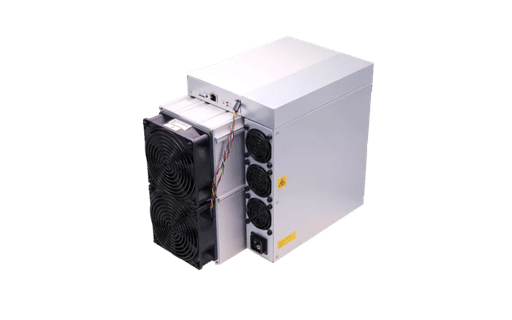
Antminer D9 – Crypto ASIC Mining Hardware Review
Score: 50.75/100. Well-confirmed specs undercut by a reseller's own page naming the wrong mining algorithm for its own product.
Read More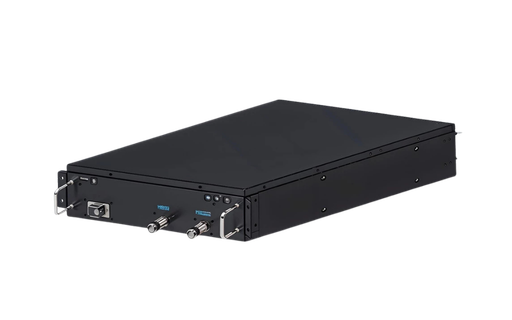
Antminer S23 Hyd 3U – Crypto ASIC Mining Hardware Review
Score: 61.0/100. Best raw efficiency in the series, tempered by cross-reseller weight, warranty, and voltage inconsistencies.
Read More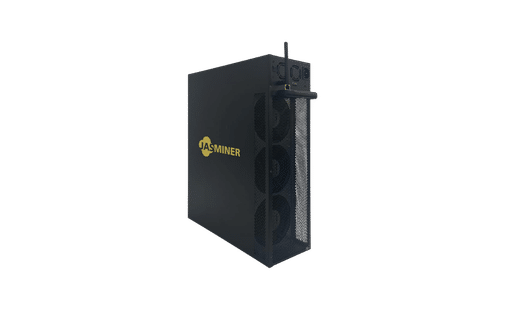
Jasminer X16-Q – Crypto ASIC Mining Hardware Review
Score: 59.5/100. Genuinely quiet EtHash miner with a verified generational upgrade, though profitability swings between loss and profit.
Read More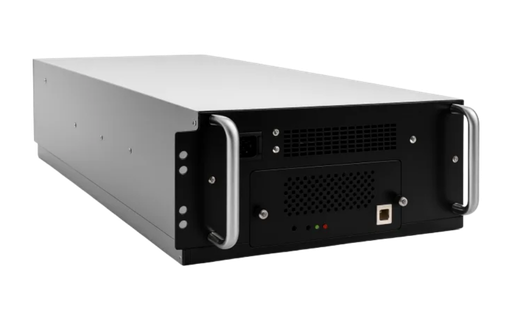
WhatsMiner M79S – Crypto ASIC Mining Hardware Review
Score: 45.0/100. Worst transparency in the series; core hashrate varies by nearly 50% across resellers with no clear explanation.
Read More