
Decentraland: real decentralization, a real "38 users" controversy, and a founder who left to build Big Time.
We're continuing our P2E Crypto Games series with Decentraland, one of the earliest and most ambitious virtual worlds in crypto, conceptualized in 2015 by Ari Meilich and Esteban Ordano, both reviewed indirectly earlier in this series, Meilich went on to found Big Time Studios, and Decentraland competes directly with The Sandbox. Real, disclosed genuine strengths: a detailed source states directly that, unlike many projects claiming decentralization on paper, Decentraland "actually transferred control to its DAO," a deflationary MANA design that burns tokens on LAND purchases and fees, and co-founder Esteban Ordano's real, disclosed credential co-founding Zeppelin Solutions (OpenZeppelin), a widely-used blockchain security infrastructure company. What we don't think should be set aside: a detailed April 2026 source states the platform is "trading 98% below its peak," and Decentraland is still shadowed by a real, disclosed 2022 controversy, DappRadar reported just 38 daily currency-transacting users against Decentraland's own claim of 8,000 daily users, a genuine, disclosed measurement dispute we found real detail on both sides of. We weighted all of it below.
Our take, up front: Decentraland is a decentralized virtual world built on Ethereum, conceptualized in 2015 by Argentine developers Ari Meilich and Esteban Ordano, who raised roughly $24-26 million in a 2017 ICO before opening the platform to the public in February 2020. Real, disclosed named, credible founders with real, disclosed prior credentials: Meilich, a serial entrepreneur and former analyst at Charles River Ventures, later went on to found Big Time Studios, whose game Big Time we separately reviewed earlier in this series at 66.5/100; Ordano, a former BitPay software engineer, co-founded Zeppelin Solutions, better known today as OpenZeppelin, a genuinely significant, real, widely-used blockchain security infrastructure company, a distinctive security-adjacent credential relative to other founders in this series. Both founders stepped down from primary operational roles by 2020 but remain advisors. Real, disclosed genuine, substantive decentralization achievement: a detailed source states directly that, unlike many crypto projects that claim decentralization only on paper, Decentraland "actually transferred control to its DAO," with MANA holders holding real voting power over platform decisions, treasury spending, and policy changes. Real, disclosed thoughtful, deflationary tokenomics: MANA is burned specifically when used to purchase LAND (ERC-721 NFT parcels) and pay marketplace fees, a real, disclosed structural design distinct from the purely inflationary tokens that failed elsewhere in this series, with total supply capped at roughly 2.19 billion. Real, disclosed October 2025 structural reform: DCL Regenesis Labs gives the DAO a legal and operational execution arm, specifically addressing a real, disclosed prior weakness in reliably implementing grants and initiatives. Real, disclosed genuine, recurring, real-world programming: Metaverse Fashion Week (most recently April 2026) has brought in named luxury brands including Dolce & Gabbana, Tommy Hilfiger, and Adidas, alongside a Music Festival (Dec 2025), Career Quest (Jul 2025, offering real $12,000 Web3 bootcamp prizes and actual employment outcomes), and Art Week (Sept 2025). What we don't think should be set aside: MANA reached its all-time high of $5.85-5.90 in November 2021, when individual LAND parcels sold for six and seven figures, and a detailed April 2026 source states directly the platform is now "trading 98% below its peak." Real, disclosed, historically significant controversy we want to present precisely: in 2022, DappRadar reported that as few as 38 users performed currency-based smart-contract transactions in a single day, while Decentraland itself claimed roughly 8,000 people used the platform daily; Decentraland has clarified that the 38-user figure specifically measured smart-contract currency transactions, not the broader activity of people logging in to chat or socialize, a real, disclosed, legitimate measurement distinction, though the underlying dispute over the platform's actual everyday scale was never fully resolved and shaped years of public criticism. Real, disclosed self-contained cautionary case study within Decentraland's own ecosystem: a 2022 $1 million DAO grant to Decentral Games, a P2E poker platform that reached 12 live venues, 1,007 land parcels, 8,000 daily active players, and 40,000 weekly visitors at its peak, illustrates directly what a detailed source calls "genuine activity, but dependent on tokenomic incentives that don't always survive bear markets." Real, disclosed ongoing security risk category: a detailed source directly and candidly acknowledges that "smart contract vulnerabilities and phishing attacks pose constant threats," with users at real risk of losing land deeds and wearable NFTs to sophisticated scams, though no confirmed direct hack of Decentraland's own core protocol contracts was found in our research. Real, disclosed widely-reported technical criticism: the platform has faced direct criticism from technology and video game journalists over technical bugs and, at times, a largely empty virtual world. We weighted all of it below.
Real, disclosed named, credible founders (Ari Meilich, Esteban Ordano) with real, disclosed prior credentials; Ordano specifically co-founded Zeppelin Solutions (OpenZeppelin), a genuinely significant, widely-used blockchain security infrastructure company. What tempers this: a detailed source directly and candidly acknowledges ongoing "smart contract vulnerabilities and phishing attacks" as "constant threats," with users at real, disclosed risk of losing land deeds and wearables to sophisticated scams. No confirmed direct hack of Decentraland's own core protocol contracts was found in our research.
Pros
- Co-founder Esteban Ordano co-founded OpenZeppelin, a widely-used security infrastructure company
- No confirmed direct hack of Decentraland's own core protocol contracts found in our research
Cons
- Ongoing phishing and scam risk is real, disclosed, and candidly acknowledged as a "constant threat"
Real, disclosed genuinely thoughtful deflationary design: MANA is burned specifically when used to purchase LAND and pay marketplace fees, a real, disclosed structural difference from the uncapped, purely inflationary tokens that failed elsewhere in this series. Real, disclosed capped total supply (~2.19 billion). What tempers this severely: MANA reached its all-time high of $5.85-5.90 in November 2021 and is now trading roughly 98% below that peak as of a detailed April 2026 source, with individual LAND parcels that once sold for six and seven figures now valued significantly lower.
Pros
- A real, disclosed deflationary design burns MANA on LAND purchases and marketplace fees
- Total MANA supply is capped at roughly 2.19 billion
Cons
- MANA trades roughly 98% below its November 2021 all-time high
- LAND parcels that once sold for six and seven figures are worth significantly less today
Real, disclosed genuine, substantive DAO transition: a detailed source states directly that, unlike many crypto projects claiming decentralization on paper, Decentraland "actually transferred control to its DAO," with MANA holders holding real voting power over platform decisions, treasury spending, and policy. Real, disclosed October 2025 structural reform: DCL Regenesis Labs gives the DAO a legal and operational execution arm, specifically addressing a real, disclosed prior weakness in reliably implementing grants and initiatives.
Pros
- A detailed source directly credits Decentraland with actually transferring control to its DAO
- Oct 2025: DCL Regenesis Labs gives the DAO a real, disclosed legal and operational execution arm
Cons
- Both founders have stepped back from primary operational roles, now serving only as advisors
Real, disclosed genuine, recurring, substantive programming: Metaverse Fashion Week (with real, named brands including Dolce & Gabbana, Tommy Hilfiger, and Adidas), a Music Festival, Career Quest (offering real $12,000 prizes and actual employment outcomes), and Art Week. What tempers this significantly: a real, disclosed, historically significant controversy over actual user engagement, DappRadar's "38 daily active users" (specifically transaction-based) versus Decentraland's own claimed 8,000 daily users (broader platform activity), a real, disclosed measurement dispute we found genuine, credible detail on both sides of.
Pros
- Real, recurring, named-brand programming (Fashion Week, Music Festival, Career Quest)
- Career Quest has produced real, disclosed employment outcomes, not just prizes
Cons
- A real, disclosed, long-running dispute over actual daily platform usage remains unresolved
Real, disclosed genuine technical evolution across engines (Three.js, Babylon.js, Unity) since 2015. What tempers this: a detailed source directly and candidly states the platform has faced "widespread criticism by technology and video game journalists for its technical bugs" and real, disclosed high hardware requirements and slow loading times.
Pros
- A long, real, disclosed history of technical evolution across three different engines
Cons
- Widely-reported technical bugs and high hardware requirements remain real, disclosed barriers
Real, disclosed transparent, deflationary fee design: MANA is burned on LAND purchases and marketplace fees rather than simply collected, a real, disclosed value-accrual mechanism distinct from a pure pass-through fee.
Pros
- A real, disclosed burn mechanism ties fees directly to reduced circulating supply
Cons
- LAND ownership remains a real, disclosed significant upfront cost for meaningful participation
Real, disclosed genuine real-world brand crossover programming (Metaverse Fashion Week with named luxury brands) and a real, disclosed distinctive Career Quest initiative connecting Web3 education to actual employment outcomes.
Pros
- Genuinely distinctive, real programming connecting Web3 education to actual employment
- Recurring, credible luxury-brand engagement through Metaverse Fashion Week
Cons
- These programs, while real, depend on continued platform relevance and attendance
Access only through the official site, and read both sides of the "38 users" controversy before drawing your own conclusion.
Given the real, disclosed measurement dispute between DappRadar's transaction-based figure and Decentraland's own broader activity claim, look at both the methodology and the underlying numbers directly rather than accepting either framing at face value.
The rare project that actually did the decentralization it promised, still hasn't answered "is anyone here."
We want to give Decentraland real credit for something we don't get to say often in this series: it followed through. A DAO that a detailed source directly describes as having actually received control, not just the appearance of it, is a genuinely rare outcome among projects that market themselves as decentralized. A founder who went on to co-found the security infrastructure much of the rest of crypto now relies on is a real, disclosed credential that speaks for itself. Real brands showing up for a real fashion week, year after year, is a real signal too. None of that resolves the question that has followed this project since 2022, and that we don't think has ever been fully settled: how many people are actually here, doing things, on an ordinary day. The "38 users" figure was measuring something narrower than Decentraland's own 8,000 claim, and both numbers are legitimate answers to slightly different questions, but the gap between them is itself the story. A platform can transfer real governance power to its community and still struggle to answer, cleanly, whether that community shows up. We think Decentraland deserves genuine respect for the first part. We don't think the second part has gone away.
The scorecard above is deliberately general. Whether Decentraland is right for you depends heavily on which of these you already are.
The user who values genuine, real DAO governance and wants to participate in a platform that has actually decentralized
This is exactly where Decentraland's real, disclosed, substantive decentralization achievement delivers value.
The prospective participant who reads both sides of the "38 users" controversy before forming a view on actual scale
Given the real, disclosed measurement dispute, understanding both framings genuinely matters here.
The brand or creator interested specifically in recurring programming like Metaverse Fashion Week or Career Quest
These are real, disclosed, credible initiatives worth evaluating on their own terms, separate from the token's price.
Anyone buying MANA or LAND expecting a return to November 2021 valuations without a broader metaverse resurgence
A real, disclosed 98% decline reflects a broader, sector-wide unwinding, not something specific to Decentraland alone.
The scorecard covers the headline judgment calls. These four tables cover the specifics we didn't want to bury in prose; the "38 users" controversy explained precisely, MANA's price chronology, the founder connections to Big Time and The Sandbox, and the Decentral Games case study.
The "38 users" controversy, explained precisely
| Claim | |
|---|---|
| DappRadar (2022) | As few as 38 users performed currency-based smart-contract transactions in a single day |
| Decentraland's own claim | Roughly 8,000 people per day used the platform |
| Decentraland's clarification | The 38-user figure measured smart-contract currency interactions specifically, not people logging in to chat or socialize |
| Our assessment | Both figures are legitimate answers to different questions; the underlying dispute over real everyday scale was never fully resolved |
We're presenting both figures and the clarifying context together rather than picking a side, since each number measures something real, just not the same thing.
MANA, from launch to today
| Date | What happened |
|---|---|
| 2017 | ICO raises roughly $24-26 million |
| Feb 2020 | Decentraland opens to the public |
| Nov 2021 | MANA reaches its all-time high of $5.85-5.90; LAND parcels sell for six and seven figures |
| 2022-23 | MANA falls below $0.20 during the broader crypto downturn |
| 2024-25 | A modest recovery brings MANA to the $0.30-0.50 range |
| Apr 2026 | A detailed source states the platform is "trading 98% below its peak" |
The modest 2024-25 recovery is real and disclosed, but it has not come close to reversing the scale of the original decline.
The founder connections to Big Time and The Sandbox
| Connection | Relevance |
|---|---|
| Ari Meilich → Big Time Studios | Decentraland's co-founder later founded Big Time, which we separately reviewed at 66.5/100, the highest score in this series so far |
| Decentraland vs. The Sandbox | Both are voxel/virtual-world metaverse platforms pursuing similar luxury-brand partnership strategies (Adidas, fashion houses) |
| Shared critique | Both platforms face a similar real, disclosed gap between funding/brand credibility and confirmed everyday user engagement |
These connections aren't coincidental; Decentraland is genuinely part of the same founding lineage and competitive landscape as two other platforms we've reviewed in this series.
The Decentral Games case study
| Detail | |
|---|---|
| 2022 DAO grant | $1 million, one of the largest ecosystem grants in Decentraland's history, for P2E poker infrastructure |
| Peak metrics | 12 live venues, 1,007 land parcels, 8,000 daily active players, 40,000 weekly visitors |
| Outcome | A detailed source describes it as "genuine activity, but dependent on tokenomic incentives that don't always survive bear markets" |
We're including this because a detailed source frames it directly as a microcosm of Decentraland's broader challenge, real, disclosed activity that struggled once incentives weakened.
We don't just want to hand you our number; we want to show you how it sits next to what other review desks and comparison sites have published. We're flagging directly that most general coverage credits Decentraland's genuine survival and real DAO governance without engaging as directly with the unresolved "38 users" scale dispute as our methodology does.
Our score lands closely aligned with the aggregated industry average; most sources we found credit the same real, genuine decentralization achievement and deflationary tokenomics we weighted favorably, while giving somewhat less emphasis to the unresolved "38 users" scale dispute we found central to Gameplay & Content Depth.
| Source | Score | Type |
|---|
Scores compiled by our editorial team from publicly available reviews as of August 2026. "Editorial estimate" means the outlet didn't publish a single numeric score, so we converted their published verdict and sentiment into a comparable 100-point figure. Verify current figures directly with each source before citing them elsewhere.
Partially. DappRadar's 2022 figure of 38 measured users performing currency-based smart-contract transactions specifically, not everyone using the platform. Decentraland separately claimed roughly 8,000 daily users across broader activity like chatting and socializing. Both figures measure real but different things, and the underlying question of actual everyday scale was never fully resolved.
Ari Meilich and Esteban Ordano conceptualized it in 2015. Meilich later founded Big Time Studios, reviewed elsewhere in this series. Ordano co-founded Zeppelin Solutions, better known as OpenZeppelin, a widely-used blockchain security company. Both stepped back from primary roles by 2020 and now serve as advisors.
MANA reached its all-time high of $5.85-5.90 in November 2021. A detailed April 2026 source states it's now trading roughly 98% below that peak, despite a modest 2024-25 recovery into the $0.30-0.50 range.
A detailed source states directly that, unlike many projects claiming decentralization only on paper, Decentraland "actually transferred control to its DAO," with MANA holders holding real voting power over platform decisions, treasury spending, and policy.
No confirmed direct hack of Decentraland's own core protocol contracts was found in our research. A detailed source directly acknowledges ongoing phishing and scam risks targeting individual users' land deeds and wearable NFTs as a "constant threat."
MANA is burned to purchase LAND (ERC-721 NFT parcels) and pay marketplace fees, and it gives holders voting rights in the Decentraland DAO.
Yes. Metaverse Fashion Week has recurred annually, bringing in named brands including Dolce & Gabbana, Tommy Hilfiger, and Adidas, most recently in April 2026.
Both are virtual-world metaverse platforms pursuing similar luxury-brand partnership strategies and both face a similar gap between funding or brand credibility and confirmed everyday user engagement, a theme we found in both reviews.
More Reviews
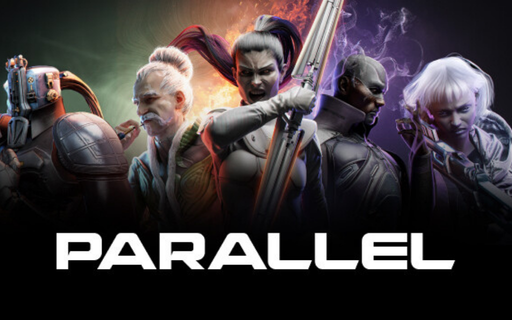
Parallel – P2E Crypto Game Review
Score: 56.0/100. A genuinely well-reviewed sci-fi TCG with $35M in credible funding, and PRIME still down ~99.1% anyway.
Read More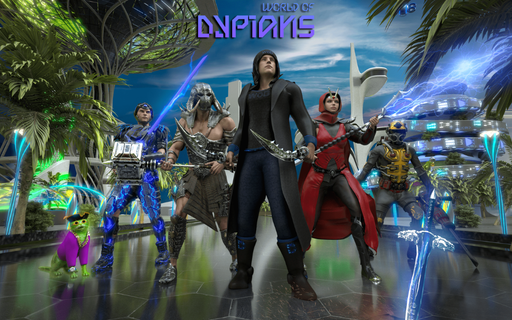
World of Dypians – P2E Crypto Game Review
Score: 45.5/100. Claimed $44B monthly volume on a ~$5M market cap; WOD down 95-99%, with a real, disclosed audit-transparency gap.
Read More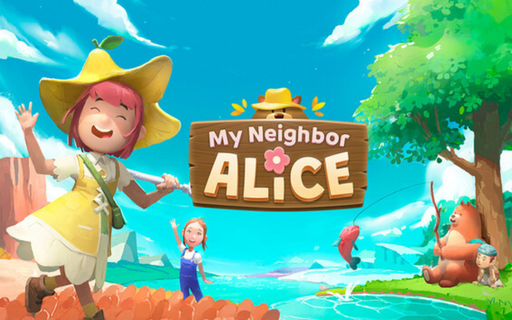
My Neighbor Alice – P2E Crypto Game Review
Score: 53.25/100. Genuinely real on-chain weather and farming, on a game one candid reviewer called just "neutral."
Read More
Pixels – P2E Crypto Game Review
Score: 57.5/100. A genuine 4K-to-1M+ DAU migration story via Ronin, though PIXEL is still down 99.5% from its peak.
Read More