
Splinterlands: one of the longest-running P2E games, still spread across four different blockchains.
We're continuing our P2E Crypto Games series with Splinterlands, a digital trading card game founded in 2018 by Jesse "Aggroed" Reich and Matthew "Yabapmatt" Rosen, originally launched as "Steem Monsters" before migrating to the Hive blockchain following a real, disclosed governance dispute on its original chain. Real, disclosed genuine strengths: no confirmed direct hack of the game's own contracts found in our research, genuinely long-standing, named leadership since 2018, and a real, transparent governance system where SPS holders vote on card balance changes and DEC inflation pools with votes posted directly on-chain. What we don't think should be set aside: SPS reached an all-time high most consistently reported around $1.06-1.07 in mid-2021, though other sources report meaningfully lower figures we couldn't fully reconcile, and has since collapsed to the $0.0028-0.003 range as of our research, a decline of roughly 99.7%. Real, disclosed structural complexity: gameplay lives on Hive, SPS trades on BSC, DEC has liquidity on Ethereum, and NFT cards bridge to WAX for marketplace trading, a genuinely fragmented, four-chain architecture. We weighted all of it below.
Our take, up front: Splinterlands is a digital, collectible trading card game inspired directly by Magic: The Gathering and Hearthstone, founded in 2018 by Jesse "Aggroed" Reich and Matthew "Yabapmatt" Rosen, who met while building a separate marketing platform and discovered a shared interest in gaming. Real, disclosed genuinely distinctive origin story: the game originally launched as "Steem Monsters" on the STEEM blockchain, then migrated to Hive in early 2020 following a real, disclosed governance dispute after STEEMit Inc. was acquired, a dispute significant enough that it produced Hive itself as a fork of STEEM, with much of the original developer and user community, including the Splinterlands team, moving over together. Real, disclosed genuinely long operating history: nearly eight years of continuous operation as of 2026, among the longest-running games in this entire series. Real, disclosed genuinely functioning, transparent governance: SPS holders vote on card balance changes, DEC inflation pools, season and mission prizes, and major upgrades, with every vote posted directly and verifiably on the Hive blockchain. Real, disclosed distinctive decentralization feature: a planned, 100% open-source validator-node system using a delegated proof-of-stake model, letting SPS holders without their own node delegate to a validator and still share in block rewards. What we don't think should be set aside: Splinterlands runs across a genuinely fragmented, four-chain architecture, gameplay and card ownership on Hive, SPS governance token trading on Binance Smart Chain, DEC (the in-game currency) with a liquidity pool on Ethereum, and NFT cards bridgeable to the WAX blockchain for marketplace trading, real, disclosed complexity that a newcomer has to navigate to fully understand where their assets actually live. Real, disclosed severe token decline: sources genuinely disagree on SPS's exact all-time high, with figures ranging from $0.47 to $1.07 depending on the source, but the two most detailed, dedicated price-tracking sources we found (CoinGecko and Gate.com) closely agree around $1.06-1.07 in July-August 2021; regardless of which figure is used, SPS has since collapsed to the $0.0028-0.003 range as of our research, a decline of roughly 99.7%, among the most severe we've documented in this series. Real, disclosed candid third-party risk acknowledgment: a detailed review source states directly that Splinterlands' market capitalization "lags far behind" comparable games like Axie Infinity and Illuvium, and recommends caution given its still-modest scale. No confirmed direct hack of Splinterlands' own game or token contracts was found in our research. We weighted all of it below.
Real, disclosed named, long-standing founders (Jesse "Aggroed" Reich, Matthew "Yabapmatt" Rosen) with a continuous track record since 2018, among the longest-running teams in this series. No confirmed direct hack of Splinterlands' own game or token contracts found in our research. What tempers this: a genuinely complex, real, disclosed multi-chain architecture (Hive, BSC, WAX, Ethereum bridges) which, while flexible, increases the number of distinct systems that must each remain secure.
Pros
- No confirmed direct hack of Splinterlands' own contracts found in our research
- Named founders with a continuous, real track record since 2018
Cons
- A genuinely fragmented four-chain architecture broadens the overall attack surface
Real, disclosed functioning governance utility: SPS holders vote on DEC inflation pools, card balance changes, and season prizes. What tempers this severely: SPS reached an all-time high most consistently reported around $1.06-1.07 in mid-2021 (sources vary from $0.47 to $1.07), and has since collapsed to the $0.0028-0.003 range as of our research, a decline of roughly 99.7%, among the most severe we've documented in this entire series.
Pros
- SPS carries a real, disclosed governance utility tied directly to DEC inflation control
Cons
- SPS is down roughly 99.7% from its mid-2021 all-time high
- Sources disagree meaningfully on the exact ATH figure, a real, disclosed data-quality gap
Real, disclosed named, long-standing founders since 2018. Real, disclosed genuinely functioning, transparent governance: votes on card balance, DEC inflation pools, and major upgrades are posted directly on the Hive blockchain. Real, disclosed distinctive validator-node system, planned as 100% open source, letting SPS holders without their own node delegate to a validator under a delegated proof-of-stake model.
Pros
- Every governance vote is posted directly, verifiably on the Hive blockchain
- A distinctive, open-source, delegated validator-node system for DAO security
Cons
- Real-world governance participation levels were not independently confirmed in our research
Real, disclosed genuinely long operating history: launched in 2018 as Steem Monsters, one of the longest-running games in this series. Real, disclosed skill-based card battles inspired directly by Magic: The Gathering and Hearthstone. What tempers this: a detailed source directly and candidly acknowledges the project's market cap "lags far behind" comparable games and that it remains, in its own words, "a project that has a long way to go."
Pros
- One of the longest continuously-operating games in this entire series (since 2018)
- Genuine skill-based card battling inspired by established, credible card-game design
Cons
- A detailed source candidly acknowledges the project trails comparable games in scale
Real, disclosed broad wallet support (Hive Keychain, MetaMask, Trust Wallet, Ledger hardware wallets). What tempers this: the real, disclosed multi-chain structure (Hive for gameplay, BSC for SPS, WAX for NFT trading, Ethereum for DEC liquidity) adds genuine complexity for a newcomer navigating where their assets actually live.
Pros
- Broad, real, disclosed support across multiple wallet types, including hardware wallets
Cons
- Understanding which asset lives on which of four chains is a real onboarding hurdle
Real, disclosed transparent token utility: DEC (in-game currency) and SPS (governance) serve clearly disclosed, distinct purposes, with DEC earnable through gameplay rather than requiring upfront purchase.
Pros
- DEC is earnable directly through gameplay rather than requiring a purchase
Cons
- Competitive deck-building still benefits from real money spent on card packs
Real, disclosed distinctive, open-source validator-node system for securing DAO governance, and real, disclosed genuine cross-chain NFT bridging to WAX marketplaces.
Pros
- Genuine cross-chain interoperability via WAX bridging for NFT card trading
Cons
- The validator-node system's real-world adoption was not independently confirmed in our research
Access only through the official site, and map out which asset lives on which chain before you start trading.
Given the real, disclosed four-chain structure (Hive for gameplay, BSC for SPS, Ethereum for DEC liquidity, WAX for NFT trading), confirm exactly which network each asset you hold lives on before attempting to move or sell it, since the wrong assumption here can mean sending funds to an address on the wrong chain.
One of the oldest survivors in this category, still paying the price for outliving its own token's hype cycle.
We want to give Splinterlands real credit for something that's genuinely rare in this series: it's still here. Nearly eight years of continuous operation, through a hostile blockchain split, multiple crypto winters, and the same P2E collapse that hit every other token in this project, is a real, disclosed survival story most of its 2021-era peers don't get to tell. The governance is genuinely transparent, every vote lives permanently on a public blockchain, and the founders have been the same two people since the beginning. What we can't overlook is that longevity hasn't translated into a healthy token, and it's added real complexity along the way. Spreading gameplay, governance, currency, and NFT trading across four separate blockchains might have made sense as the ecosystem evolved, but it leaves a newcomer with a genuinely harder onboarding problem than almost any other game in this series. Splinterlands earns real respect for endurance. It doesn't get a pass on the fact that endurance alone hasn't rebuilt SPS's value or simplified what a new player actually has to learn.
The scorecard above is deliberately general. Whether Splinterlands is right for you depends heavily on which of these you already are.
The trading card game fan who values a long, transparent operating history over a flashier, newer, less-proven project
This is exactly where Splinterlands' genuinely long track record and transparent, on-chain governance deliver value.
The player who maps out exactly which asset lives on which of the four chains before attempting any transfer or sale
Given the real, disclosed multi-chain structure, this habit genuinely matters here to avoid a costly mistake.
The prospective SPS holder who treats the token as a governance instrument first, not a bet on price recovery
Given the real, disclosed ~99.7% decline, this framing is a more honest starting point than expecting a rebound.
Newcomers who want a simple, single-chain, single-wallet onboarding experience without prior crypto experience
The real, disclosed four-chain architecture creates a genuinely steeper learning curve than most other games in this series.
The scorecard covers the headline judgment calls. These four tables cover the specifics we didn't want to bury in prose; the STEEM-to-Hive migration timelined, SPS's all-time high compared across sources, the four-chain architecture explained, and how governance actually works.
The STEEM-to-Hive migration, timelined
| Date | What happened |
|---|---|
| Sep 2018 | The game launches on the STEEM blockchain as "Steem Monsters" |
| Early 2020 | A governance dispute erupts within the STEEM community following the acquisition of STEEMit Inc. |
| 2020 | A portion of the STEEM community forks the chain, creating Hive to preserve the community's original governance values |
| 2020 | The Splinterlands team migrates its operations to Hive along with much of the original developer and user base |
This migration was driven by a real, disclosed governance dispute on the original chain rather than a security incident or business failure, a genuinely different kind of migration story than the hack-driven moves we've documented elsewhere in this series.
SPS's all-time high, compared across sources
| Source | Reported ATH |
|---|---|
| CoinGecko | $1.07 |
| Gate.com Wiki | $1.065 (Aug 2021) |
| KuCoin | $0.8893 |
| CoinLore | $0.5562 (Nov 2021) |
| Bitcoin Exchange (generic tracker) | $0.4745 (Jul 26, 2021) |
CoinGecko and Gate.com, two dedicated, detailed price-tracking sources, closely agree around $1.06-1.07; we treat this as the more likely accurate figure, though we're presenting the full range rather than silently picking one, since a roughly 2x discrepancy across sources is a genuine, disclosed data-quality gap worth naming.
The four-chain architecture, explained
| Chain | What lives there |
|---|---|
| Hive | Core gameplay, card ownership records, and on-chain governance votes |
| Binance Smart Chain | SPS governance token trading (via PancakeSwap and other BSC exchanges) |
| Ethereum | A DEC-ETH liquidity pool on Uniswap |
| WAX | NFT card trading, once bridged over from Hive |
Each chain serves a genuinely distinct, disclosed purpose rather than being redundant, but a new player has to learn all four to fully understand where their assets and voting power actually reside.
How SPS governance actually works
| Mechanism | What it covers |
|---|---|
| Direct voting | Card balance changes, DEC inflation pools, season and mission prizes, major upgrades |
| Vote weight | Determined by the amount of SPS staked by each voting player |
| Transparency | Every vote is posted directly and permanently on the Hive blockchain |
| Validator delegation | SPS holders without their own validator node can delegate to one and still share in block rewards |
This is a genuinely more concrete, verifiable governance mechanism than a simple "holders can vote" claim; the specific proposal categories and on-chain vote record are real, disclosed, and independently checkable.
We don't just want to hand you our number; we want to show you how it sits next to what other review desks and comparison sites have published. We're flagging directly that most sources we found emphasize the platform's longevity and transparent governance favorably, while giving somewhat less weight to the real, disclosed onboarding complexity created by its four-chain architecture.
Our score lands moderately below the aggregated industry average; most sources we found credit the same long operating history and transparent governance we weighted favorably, while giving somewhat less weight to the severity of SPS's decline and the real onboarding friction created by the platform's four-chain structure.
| Source | Score | Type |
|---|
Scores compiled by our editorial team from publicly available reviews as of August 2026. "Editorial estimate" means the outlet didn't publish a single numeric score, so we converted their published verdict and sentiment into a comparable 100-point figure. Verify current figures directly with each source before citing them elsewhere.
No confirmed direct hack of Splinterlands' own game or token contracts was found in our research.
A governance dispute erupted within the STEEM community in early 2020 after STEEMit Inc. was acquired. A portion of the community forked the chain to create Hive, and the Splinterlands team migrated its operations there along with much of the original developer and user base.
Sources vary somewhat on the exact figure, but SPS reached an all-time high most consistently reported around $1.06-1.07 in mid-2021, and has since fallen to the $0.0028-0.003 range, a decline of roughly 99.7%.
Four: Hive for core gameplay and governance, Binance Smart Chain for SPS trading, Ethereum for a DEC liquidity pool, and WAX for NFT card marketplace trading.
Jesse "Aggroed" Reich and Matthew "Yabapmatt" Rosen founded the game in 2018, originally launching it as "Steem Monsters."
SPS is the governance token, used for voting on card balance changes, inflation pools, and upgrades. DEC is the in-game currency, earnable through gameplay and used for everyday spending within the game.
SPS holders stake tokens to vote on proposals covering card balance changes, DEC inflation pools, and season prizes, with every vote posted directly and verifiably on the Hive blockchain.
Yes. Launched in September 2018, it has operated continuously for nearly eight years as of 2026, among the longest-running games in this entire series.
More Reviews
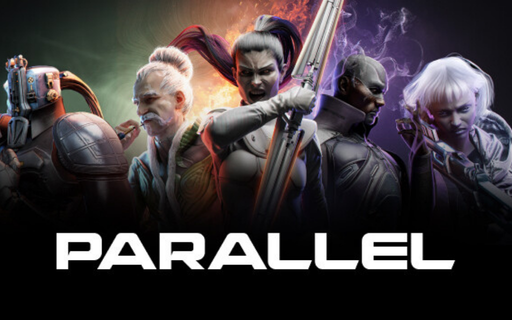
Parallel – P2E Crypto Game Review
Score: 56.0/100. A genuinely well-reviewed sci-fi TCG with $35M in credible funding, and PRIME still down ~99.1% anyway.
Read More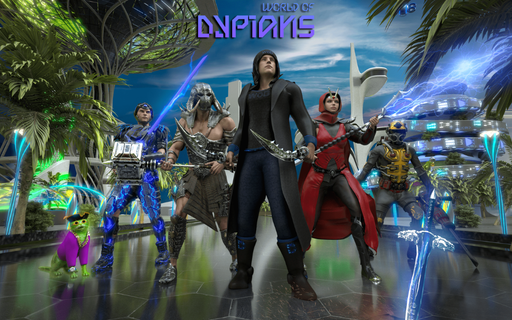
World of Dypians – P2E Crypto Game Review
Score: 45.5/100. Claimed $44B monthly volume on a ~$5M market cap; WOD down 95-99%, with a real, disclosed audit-transparency gap.
Read More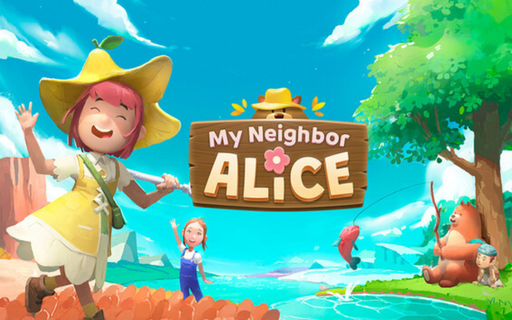
My Neighbor Alice – P2E Crypto Game Review
Score: 53.25/100. Genuinely real on-chain weather and farming, on a game one candid reviewer called just "neutral."
Read More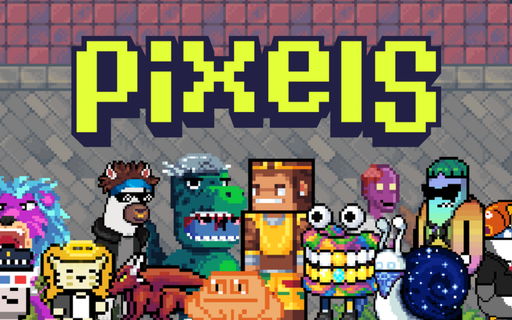
Pixels – P2E Crypto Game Review
Score: 57.5/100. A genuine 4K-to-1M+ DAU migration story via Ronin, though PIXEL is still down 99.5% from its peak.
Read More