The El Salvador Experiment: When a Nation Bet on Bitcoin
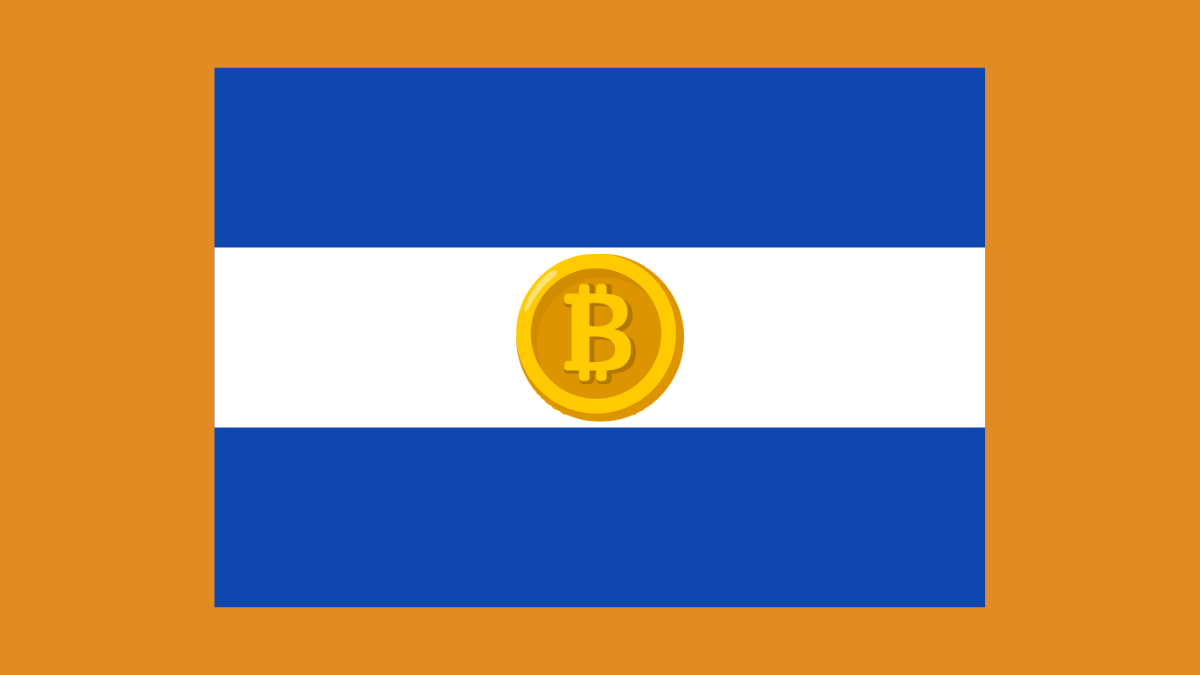
In 2021, something happened that no one thought possible: a country adopted Bitcoin as official currency. It wasn’t a tech giant or a global power, it was El Salvador, a small Central American nation better known for its coffee, volcanoes, and history of economic hardship. Overnight, El Salvador became the first country in the world to make Bitcoin legal tender, igniting hope, controversy, and one of the boldest economic experiments of the 21st century.
The story begins with President Nayib Bukele, a young, media-savvy leader who embraced Bitcoin with the enthusiasm of a startup founder. Bukele saw an opportunity to transform El Salvador’s economy and image. The nation relied heavily on remittances, money sent home by Salvadorans working abroad, which made up more than 20% of its GDP. Sending those funds through banks or Western Union came with high fees and slow processing times. Bitcoin, Bukele argued, could solve that problem by allowing instant, borderless transactions.
In June 2021, El Salvador’s Legislative Assembly passed the Bitcoin Law, declaring Bitcoin an official currency alongside the U.S. dollar. The government launched a national digital wallet called Chivo (meaning “cool” in Salvadoran slang) and even gave citizens $30 worth of Bitcoin to encourage adoption. Suddenly, street vendors, coffee shops, and even McDonald’s were accepting Bitcoin payments.
The announcement made global headlines. Crypto enthusiasts hailed it as a revolutionary moment, a real-world validation of Satoshi Nakamoto’s dream of decentralized money. Bitcoiners from around the world flocked to El Salvador, some settling in beach towns like El Zonte, nicknamed “Bitcoin Beach,” which became a symbol of financial innovation.
But the rollout wasn’t without challenges. Many Salvadorans struggled with the new technology. Some merchants refused to accept Bitcoin despite the law. And as Bitcoin’s price swung wildly, critics warned that tying a nation’s financial system to such a volatile asset was risky. When Bitcoin’s value later fell sharply, El Salvador’s government-held Bitcoin reserves lost millions on paper.
Still, Bukele remained defiant. He doubled down, buying more Bitcoin whenever prices dropped and announcing plans for Bitcoin City, a futuristic, tax-free zone powered by geothermal energy from volcanoes. For supporters, it was visionary. For skeptics, it was reckless. The International Monetary Fund (IMF) urged the country to reverse course, warning of financial instability, but Bukele pressed on, arguing that innovation always comes with risk.
Years later, the results are mixed but fascinating. Bitcoin adoption among citizens remains limited, yet the move put El Salvador on the map as a hub for digital finance and tourism. It showed that cryptocurrency isn’t just a speculative asset, it can also be a political statement, a declaration of independence from global financial systems.
The El Salvador experiment carries profound lessons. It revealed both the potential and the pitfalls of national-scale crypto adoption. It showed how technology can empower but also how it tests trust, education, and infrastructure. And perhaps most importantly, it reminded the world that revolutions don’t begin with certainty; they begin with courage.
Whether El Salvador’s bet will one day be seen as visionary or disastrous, one thing is certain, it marked a turning point in the story of Bitcoin. For the first time, a government wasn’t trying to regulate or resist it, it was embracing it. In that sense, the small nation made history not just by adopting new money, but by daring to imagine a new future.