
What are Altcoins?
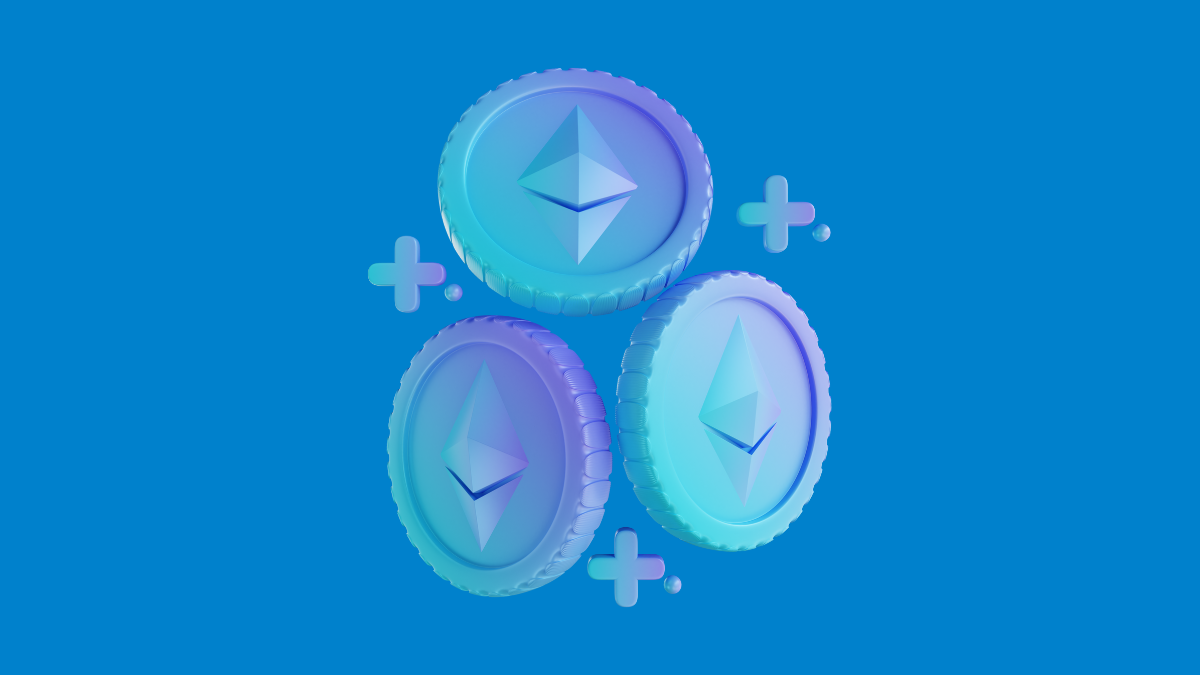
Altcoins are all cryptocurrencies that aren’t Bitcoin. The term comes from “alternative coins,” because early projects were created as alternatives to Bitcoin’s original design. Over time, altcoins evolved into a broad category that includes smart-contract platforms, stablecoins, privacy coins, meme tokens, governance GovernanceGovernance in crypto is how decisions about a blockchain or protocol are made, often through token holders voting on changes and proposals.Keep learning tokens, and thousands of experiments. In essence, altcoins form the backdrop of innovation and speculation around the crypto ecosystem.
People create altcoins for different reasons. Some aim to improve technical limitations: faster block times, lower fees, new consensus mechanisms. Others introduce entirely new capabilities, like programmable smart contracts or private transactions. Many explore economic ideas; fixed supply, inflationary models, algorithmic stabilization, or governance by token holders. And some exist primarily as cultural products, memes, or community movements.
A simple analogy is comparing Bitcoin to the first reliable car ever invented. Altcoins are everything that came afterward: trucks, motorcycles, electric cars, race cars, and quirky experimental vehicles. Some outperform the original in specific areas; others are fragile prototypes that never leave the test track.
Altcoins vary widely in purpose and quality. They can be grouped into categories that highlight their differences:
Smart-contract platforms
Examples: Ethereum, Solana, Avalanche
Built for decentralized apps, tokens, and programmable finance
Stablecoins
Examples: USDT, USDC, DAI
Designed to maintain a stable value, usually pegged to a currency like the dollar
Privacy coins
Examples: Monero, Zcash
Focus on hiding transaction details to protect user privacy
Utility and governance tokens
Used to access platforms, vote on upgrades, or participate in network decisions
Meme coins
Often community-driven, playful, or speculative
Examples: Dogecoin, Shiba Inu
Experimentation and research projects
Explore new consensus models, economics, or blockchain
 BlockchainThink of blockchain as a public notebook that everyone owns a copy of. Whatever gets written in it is permanent and visible to all.Keep learning architectures
Not all altcoins succeed. Some, like Ethereum or Solana, become critical infrastructure for the broader ecosystem. Others fade out due to lack of adoption, poor design, or simple market disinterest. A few collapse dramatically; like Terra’s algorithmic stablecoin system; showing how experimental economics can fail at scale.
Understanding altcoins also means understanding their risks:
They are often more volatile than Bitcoin.
Many projects rely on small teams, making them fragile.
Some suffer from poor security, limited decentralization, or unclear regulation.
Community hype sometimes drives value more than real utility.
At the same time, altcoins drive much of the industry’s innovation. Smart contracts, NFTs, DeFi DeFiDeFi stands for Decentralized Finance. It refers to a collection of applications and platforms built on blockchain that allow people to transact without banks.Keep learning, low-fee blockchains, cross-chain tools, and privacy features all emerged from the altcoin landscape rather than Bitcoin’s conservative development approach.
Altcoins represent exploration. They push boundaries, test new ideas, and occasionally create breakthroughs that shape the entire crypto world. Some become essential building blocks. Others remain speculative experiments. But together, they illustrate how open-source technology encourages rapid iteration and bold creativity; sometimes brilliant, sometimes flawed, always evolving.
The tags found in our glossary are there to help you better understand presented definitions. They showcase how certain concepts integrate and interact within the ecosystem.
Rectangular tags signal a concept related to Blockchain BlockchainThink of blockchain as a public notebook that everyone owns a copy of. Whatever gets written in it is permanent and visible to all.Keep learning as a technology. Whereas rounded tags represent Cryptocurrency
 CryptocurrencyCryptocurrency, often called “crypto,” is a form of digital currency that uses cryptography (advanced math and code) to keep it secure.Keep learning in more of a financial aspect. You’ll also see rectangular dashed tags for Web3
 Web3Web3 is the idea of a decentralized internet powered by blockchain.Keep learning and rounded dashed tags for DeFiDeFiDeFi stands for Decentralized Finance. It refers to a collection of applications and platforms built on blockchain that allow people to transact without banks.Keep learning specifically.
Learn more about the relationship between all the tags and their respective concept with our Free Interactive Courses.

ICOs (Initial Coin Offerings)
ICOs (Initial Coin Offerings) are fundraising events where new crypto projects sell tokens to investors to raise capital for development.
Keep learning
Proof of Work
Proof of Work (PoW) is a consensus mechanism where miners use computing power to validate transactions and secure the blockchain.
Keep learning
Crypto Environmental Considerations
Crypto environmental considerations refer to the energy use, carbon footprint, and sustainability impacts associated with cryptocurrency activity and networks.
Keep learning
Cryptocurrency
Cryptocurrency, often called “crypto,” is a form of digital currency that uses cryptography (advanced math and code) to keep it secure.
Keep learning