
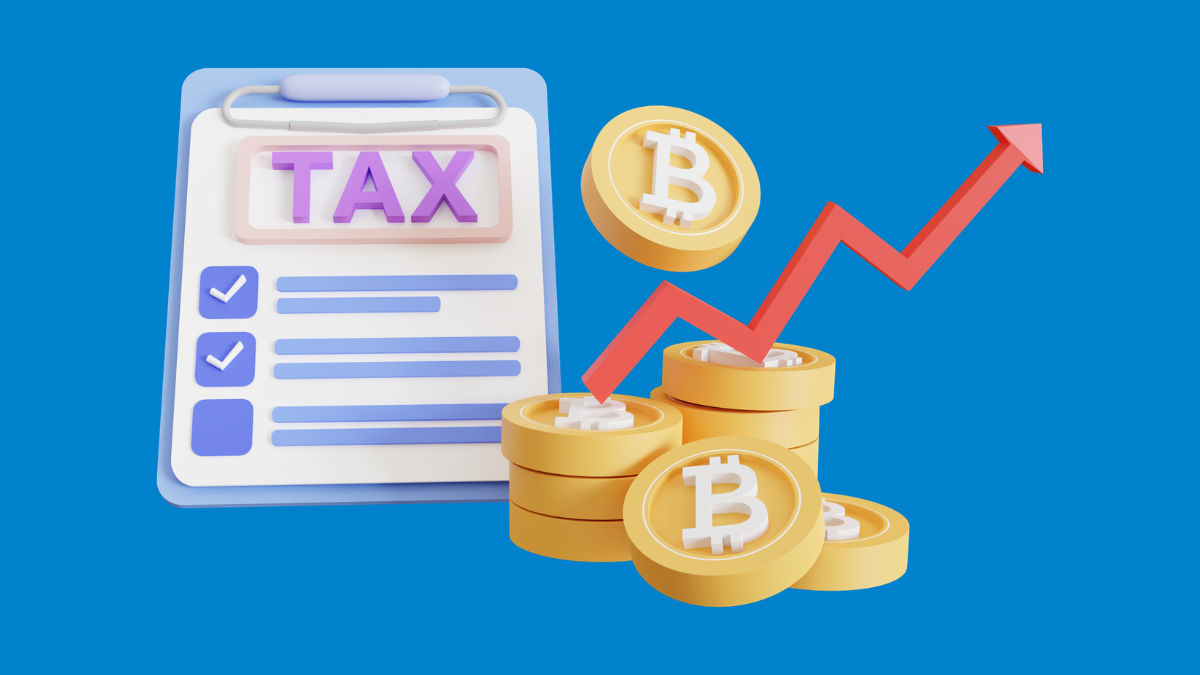
What Crypto Tax Optimization Is
Crypto tax optimization means using legal strategies to:
- Reduce taxable gains
- Increase deductible losses
- Delay taxation
- Classify activity in more favorable ways
- Improve long‑term after‑tax returns
It is not tax evasion. It is about using the rules to your advantage.
Key Concepts You Must Understand
These concepts form the foundation of all optimization strategies:
- Capital gains — profit from selling or trading crypto
- Cost basis — what you originally paid
- Realized vs unrealized gains — only realized gains are taxed
- Tax‑loss harvesting — selling at a loss to offset gains
- Holding periods — long‑term gains often taxed lower
- Income vs capital gains — staking, airdrops, and mining may be taxed as income
Understanding these lets you apply optimization strategies effectively.
Core Crypto Tax Optimization Strategies
Below are the most widely used, fully legal methods.
Tax‑Loss Harvesting
Selling assets at a loss to offset gains from other trades.
- Reduces taxable income
- Can be done multiple times per year
- Especially useful in volatile markets
Long‑Term Holding
Holding assets for more than 12 months often qualifies for lower tax rates.
- Encourages long‑term investing
- Reduces short‑term capital gains taxes
Optimizing Cost Basis Methods
Choosing the right accounting method can reduce taxable gains:
- FIFO (first‑in, first‑out)
- LIFO (last‑in, first‑out)
- HIFO (highest‑in, first‑out)
HIFO is often the most tax‑efficient because it minimizes gains.
Offsetting Crypto Income
Income from staking, airdrops, or mining can be offset with:
- Business expenses
- Equipment costs
- Electricity (in some jurisdictions)
- Trading losses
Using Stablecoins Strategically
Switching into stablecoins can lock in gains without triggering fiat conversion events in many countries.
- Reduces volatility
- Helps manage taxable events
Timing Trades Around Tax Years
Selling before or after the tax year cutoff can change your tax bill significantly.
- Delay gains
- Accelerate losses
- Smooth income across years
Advanced Optimization Strategies
For more experienced users:
DeFi DeFiDeFi stands for Decentralized Finance. It refers to a collection of applications and platforms built on blockchain that allow people to transact without banks.Keep learning‑Specific Optimization
DeFi creates complex taxable events. Optimization includes:
- Avoiding unnecessary swaps
- Using lending instead of selling
- Leveraging collateralized loans to access liquidity without selling
Crypto Loans Instead of Selling
Borrowing against crypto avoids realizing capital gains.
- No taxable sale
- Maintain exposure to upside
- Risk: liquidation
Entity Structuring
In some countries, forming a company or using a specific legal structure can reduce taxes.
- Professional traders
- Mining operations
- High‑volume DeFi users
Requires professional guidance.
Crypto Tax Mistakes to Avoid
Common errors that increase tax bills:
- Not tracking cost basis
- Forgetting taxable events (swaps, staking rewards, airdrops)
- Mixing personal and business activity
- Selling too quickly
- Ignoring DeFi transactions
- Not harvesting losses
Good record‑keeping is essential.
The tags found in our glossary are there to help you better understand presented definitions. They showcase how certain concepts integrate and interact within the ecosystem.
Rectangular tags signal a concept related to Blockchain BlockchainThink of blockchain as a public notebook that everyone owns a copy of. Whatever gets written in it is permanent and visible to all.Keep learning as a technology. Whereas rounded tags represent Cryptocurrency
 CryptocurrencyCryptocurrency, often called “crypto,” is a form of digital currency that uses cryptography (advanced math and code) to keep it secure.Keep learning in more of a financial aspect. You’ll also see rectangular dashed tags for Web3
 Web3Web3 is the idea of a decentralized internet powered by blockchain.Keep learning and rounded dashed tags for DeFi
 DeFiDeFi stands for Decentralized Finance. It refers to a collection of applications and platforms built on blockchain that allow people to transact without banks.Keep learning specifically.
Learn more about the relationship between all the tags and their respective concept with our Free Interactive Courses.
Altcoin season
Altcoin season is a market phase when alternative cryptocurrencies outperform Bitcoin, often seeing rapid price increases.
Keep learning
Bitcoin
Bitcoin is a decentralized digital currency that enables secure peer-to-peer transactions without relying on a central authority.
Keep learning
Airdrops
Airdrops are free distributions of cryptocurrency tokens to wallets, often used to promote projects, reward users, or encourage adoption.
Keep learning
Cryptocurrency
Cryptocurrency, often called “crypto,” is a form of digital currency that uses cryptography (advanced math and code) to keep it secure.
Keep learning