The tags found in our glossary are there to help you better understand presented definitions. They showcase how certain concepts integrate and interact within the ecosystem.
Rectangular tags signal a concept related to Blockchain BlockchainThink of blockchain as a public notebook that everyone owns a copy of. Whatever gets written in it is permanent and visible to all.Keep learning as a technology. Whereas rounded tags represent Cryptocurrency
 CryptocurrencyCryptocurrency, often called “crypto,” is a form of digital currency that uses cryptography (advanced math and code) to keep it secure.Keep learning in more of a financial aspect. You’ll also see rectangular dashed tags for Web3
 Web3Web3 is the idea of a decentralized internet powered by blockchain.Keep learning and rounded dashed tags for DeFi
 DeFiDeFi stands for Decentralized Finance. It refers to a collection of applications and platforms built on blockchain that allow people to transact without banks.Keep learning specifically.
Learn more about the relationship between all the tags and their respective concept with our Free Interactive Courses.
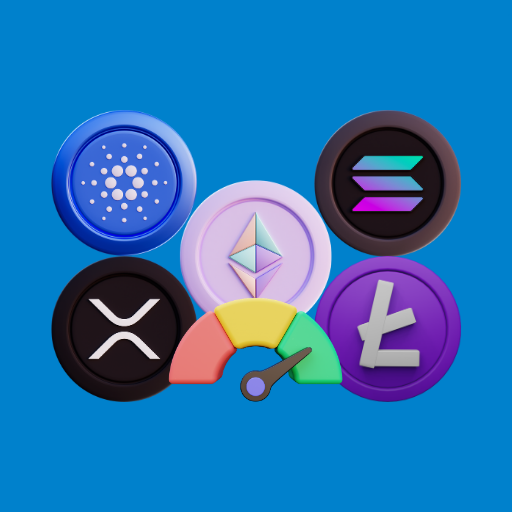
Altcoin season
Altcoin season is a market phase when alternative cryptocurrencies outperform Bitcoin, often seeing rapid price increases.
Keep learning
Bitcoin
Bitcoin is a decentralized digital currency that enables secure peer-to-peer transactions without relying on a central authority.
Keep learning
Airdrops
Airdrops are free distributions of cryptocurrency tokens to wallets, often used to promote projects, reward users, or encourage adoption.
Keep learning
Cryptocurrency
Cryptocurrency, often called “crypto,” is a form of digital currency that uses cryptography (advanced math and code) to keep it secure.
Keep learning